Why Safety and Security Programs Are Essential for Shopping Center Operations
Why Safety and Security Programs Are Essential for Shopping Center Operations
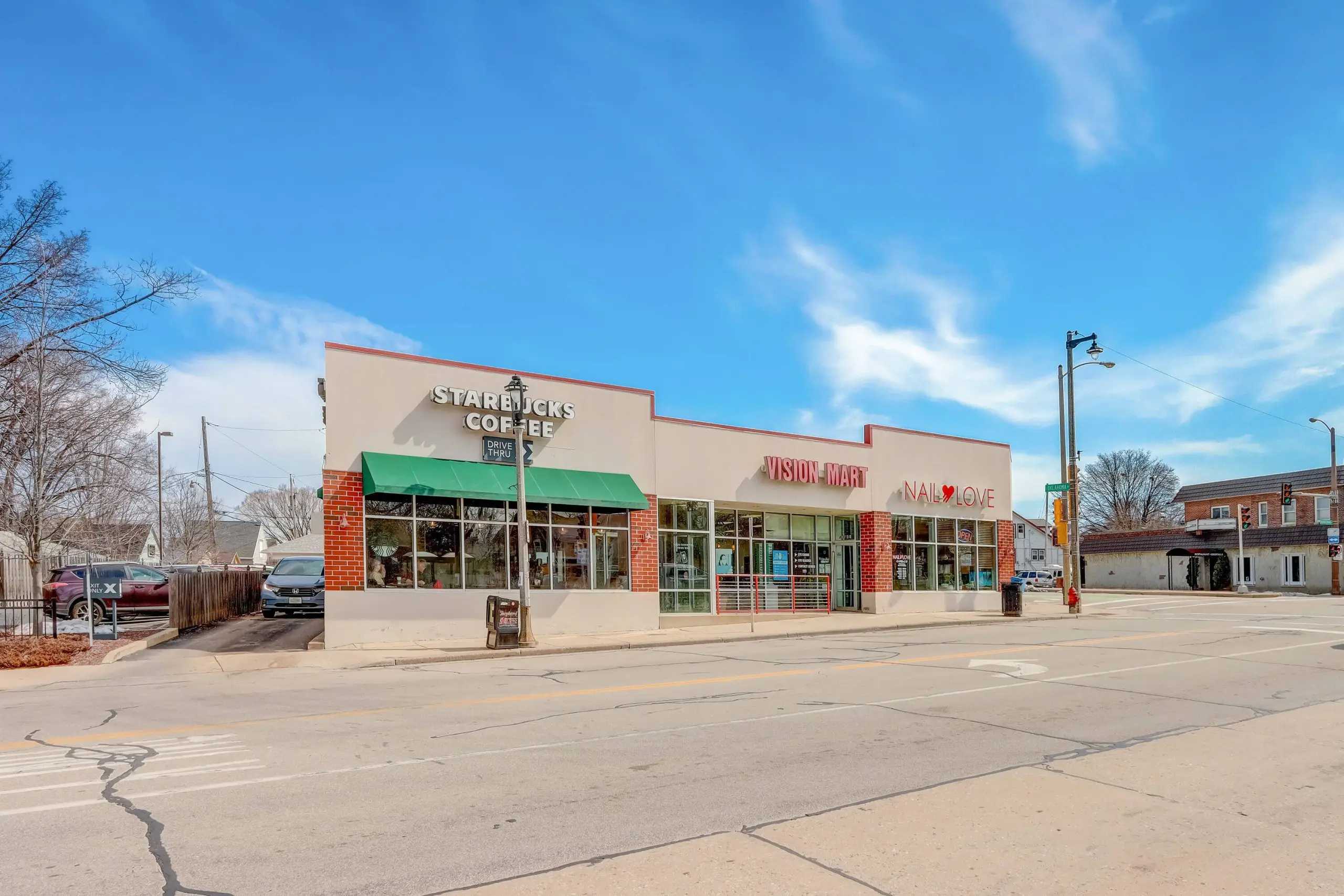
In today’s rapidly evolving retail landscape, the importance of safety and security programs for shopping center operations cannot be overstated. With increasing foot traffic, diverse tenant mixes, and the potential for both physical and digital threats, shopping centers must prioritize robust safety measures to protect their customers, tenants, and overall business reputation. This article delves into the critical components of safety and security programs, their benefits, and why they are essential for the smooth operation of shopping centers like Pewaukee Plaza, a community-focused hub in Pewaukee, WI.
Why Safety and Security Matter
Safety and security programs are not merely regulatory requirements; they are integral to the operational success of shopping centers. According to the International Council of Shopping Centers (ICSC), a well-implemented safety and security program can significantly enhance customer satisfaction and loyalty, contributing to a shopping center’s long-term viability.
Moreover, incidents of theft, vandalism, or even violent crime can deter customers from visiting, leading to decreased foot traffic and ultimately affecting sales for tenants. In a survey conducted by the National Association of Shoplifting Prevention, it was found that nearly 1 in 11 shoppers has been a victim of shoplifting, making effective security measures essential for protecting both shoppers and businesses.
Components of a Successful Safety and Security Program
A comprehensive safety and security program for shopping centers should include the following components:
- Risk Assessment: Conducting a thorough risk assessment helps identify potential vulnerabilities. This process involves evaluating the physical layout of the shopping center, analyzing crime statistics, and understanding tenant needs.
- Security Personnel: Employing trained security staff can deter criminal activity and provide a quick response in emergencies. Security personnel should be visible and approachable, fostering a sense of safety among shoppers.
- Surveillance Systems: Installing high-quality surveillance cameras enhances monitoring capabilities and serves as a deterrent to criminal behavior. Modern systems can also include facial recognition technology for identifying known offenders.
- Emergency Response Plans: Establishing clear emergency response protocols ensures that tenants and staff know how to react in various scenarios, such as fires, medical emergencies, or active shooter situations.
- Community Engagement: Building relationships with local law enforcement and the community can enhance safety. Regular communication helps in sharing information about local crime trends and safety initiatives.
Risk Assessment in Detail
Conducting a risk assessment involves several steps:
- Identify Assets: List all valuable assets, including physical spaces, tenants, and brand reputation.
- Evaluate Threats: Assess potential threats such as theft, vandalism, or natural disasters.
- Analyze Vulnerabilities: Identify weaknesses in current security measures.
- Implement Solutions: Develop strategies to mitigate identified risks.
Benefits of Implementing Security Programs
Investing in safety and security programs yields numerous benefits:
- Improved Customer Confidence: Shoppers are more likely to frequent a shopping center that prioritizes their safety. This confidence can lead to increased foot traffic and sales.
- Tenant Satisfaction: A secure environment fosters tenant satisfaction, encouraging long-term leases and stability in the shopping center.
- Reduction in Losses: Effective security measures can lead to a decrease in theft and vandalism, directly impacting the bottom line for both the shopping center and its tenants.
- Enhanced Reputation: Shopping centers known for their safety can enhance their reputation in the community, attracting more visitors and potential tenants.
- Compliance with Regulations: Many states and municipalities require safety measures for commercial properties. Implementing these programs ensures compliance and avoids potential fines.
Cost-Benefit Analysis
To illustrate the financial impact of security programs, consider the following comparison table:
| Security Measure | Initial Investment | Annual Savings (from loss prevention) | ROI (3 years) |
|---|---|---|---|
| Security Personnel | $50,000 | $150,000 | 200% |
| Surveillance Systems | $30,000 | $100,000 | 233% |
| Emergency Response Training | $10,000 | $50,000 | 400% |
Best Practices for Shopping Centers
Implementing best practices is crucial for maintaining effective safety and security programs:
- Regular Training: Conduct regular training sessions for security personnel and tenants on emergency procedures and conflict resolution.
- Technology Upgrades: Stay updated with the latest security technologies, such as AI-based surveillance systems and integrated alarm systems.
- Incident Reporting Systems: Establish clear protocols for reporting incidents to ensure that all occurrences are documented and analyzed for future improvements.
- Community Safety Events: Organize community engagement events to educate shoppers about safety measures and build trust.
- Regular Reviews: Periodically review and update safety and security protocols to adapt to changing circumstances and technologies.
Case Studies and Statistics
Several studies highlight the effectiveness of safety and security programs:
- Case Study 1: A shopping center in California implemented a comprehensive security program, including surveillance and increased security personnel. As a result, theft incidents decreased by 30% within the first year.
- Case Study 2: An East Coast shopping center partnered with local law enforcement to enhance community safety. This partnership led to a 20% increase in foot traffic, as shoppers felt safer visiting the center.
According to the Bureau of Justice Statistics, retail crime costs U.S. businesses approximately $50 billion annually. Effective safety and security programs can significantly mitigate these costs.
Frequently Asked Questions
1. Why are safety programs important for shopping centers?
Safety programs are crucial for protecting customers, tenants, and assets, ultimately enhancing customer confidence and business reputation.
2. What components should a safety program include?
A successful safety program should include risk assessment, security personnel, surveillance systems, emergency response plans, and community engagement.
3. How can shopping centers reduce theft?
Implementing surveillance cameras, hiring trained security personnel, and fostering community relationships can significantly reduce theft.
4. What are the benefits of having a security program?
Benefits include improved customer confidence, tenant satisfaction, reduced losses, enhanced reputation, and regulatory compliance.
5. How often should safety protocols be reviewed?
Safety protocols should be reviewed regularly, at least annually, to adapt to changing circumstances and technology.
6. What role does technology play in shopping center security?
Technology enhances monitoring, response times, and data collection for better security management.
7. Can community engagement improve shopping center safety?
Yes, community engagement fosters trust and cooperation, leading to enhanced safety and increased foot traffic.
8. How do I report a security incident in a shopping center?
Follow the established incident reporting protocols, which typically involve notifying security personnel and documenting the incident.
Conclusion
In conclusion, safety and security programs are essential for the successful operation of shopping centers. By investing in these programs, shopping centers like Pewaukee Plaza can enhance customer confidence, tenant satisfaction, and overall business performance. The commitment to safety not only protects assets but also fosters a thriving community environment, ensuring that shopping centers remain vital hubs for commerce and social interaction.
For more information on how to implement effective safety and security programs, contact us today or visit Pewaukee Plaza to discover local businesses that prioritize community safety.
Related articles
- How Pewaukee’s Business Community Celebrates Small Business Week
- Why Capitol Drive Is a Key Commercial Corridor for Pewaukee Businesses
- The Complete Guide to Outdoor Recreation in Lake Country, Wisconsin
- How Pewaukee’s Growing Population Is Driving New Business and Development
- Why Waukesha County Is One of the Best Places to Live and Work in Wisconsin
- The Complete Guide to Living in Pewaukee: Schools, Recreation, and Community