
Development Projects

Residential Development - Dallas , TX
- Multi family Townhouse – 24 Units
- Single Family Development
Residential Development - Milwaukee , WI
- Mix use Development - 38 Townhouse & 5 Retails
Managing Partners
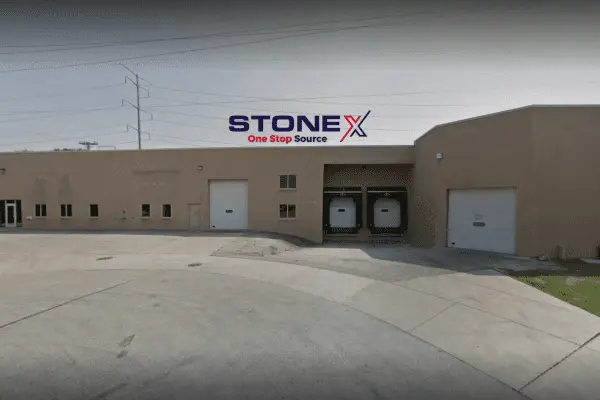
Mining & Stone Distribution
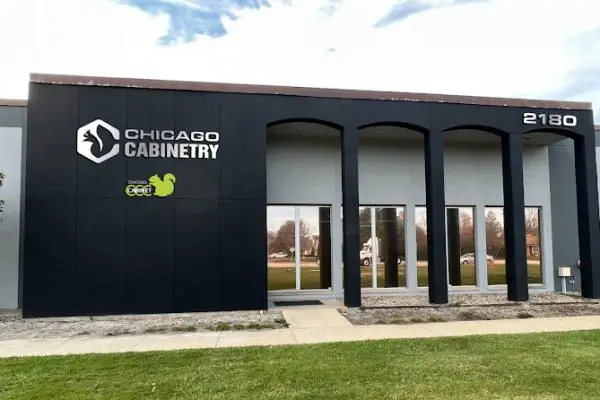
Cabinet Distribution
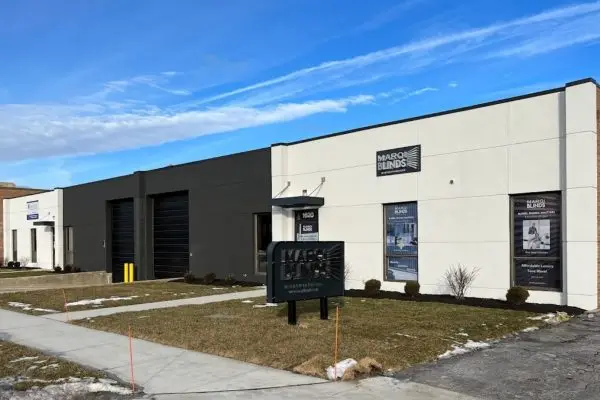
Window Treatment Manufacturing
Our Some Investments
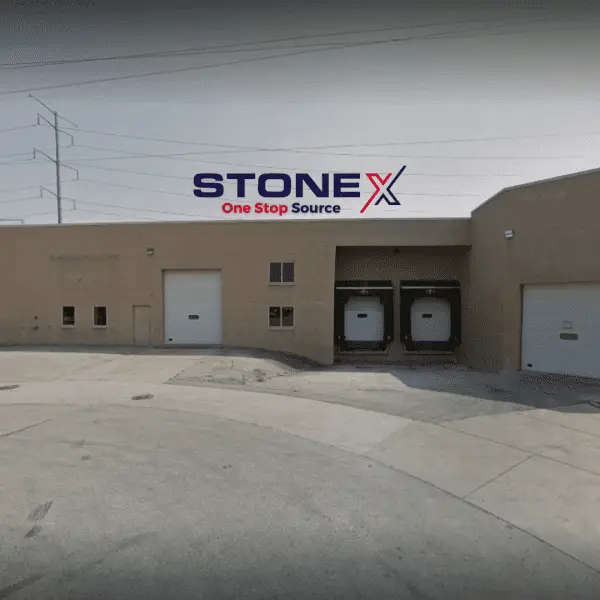
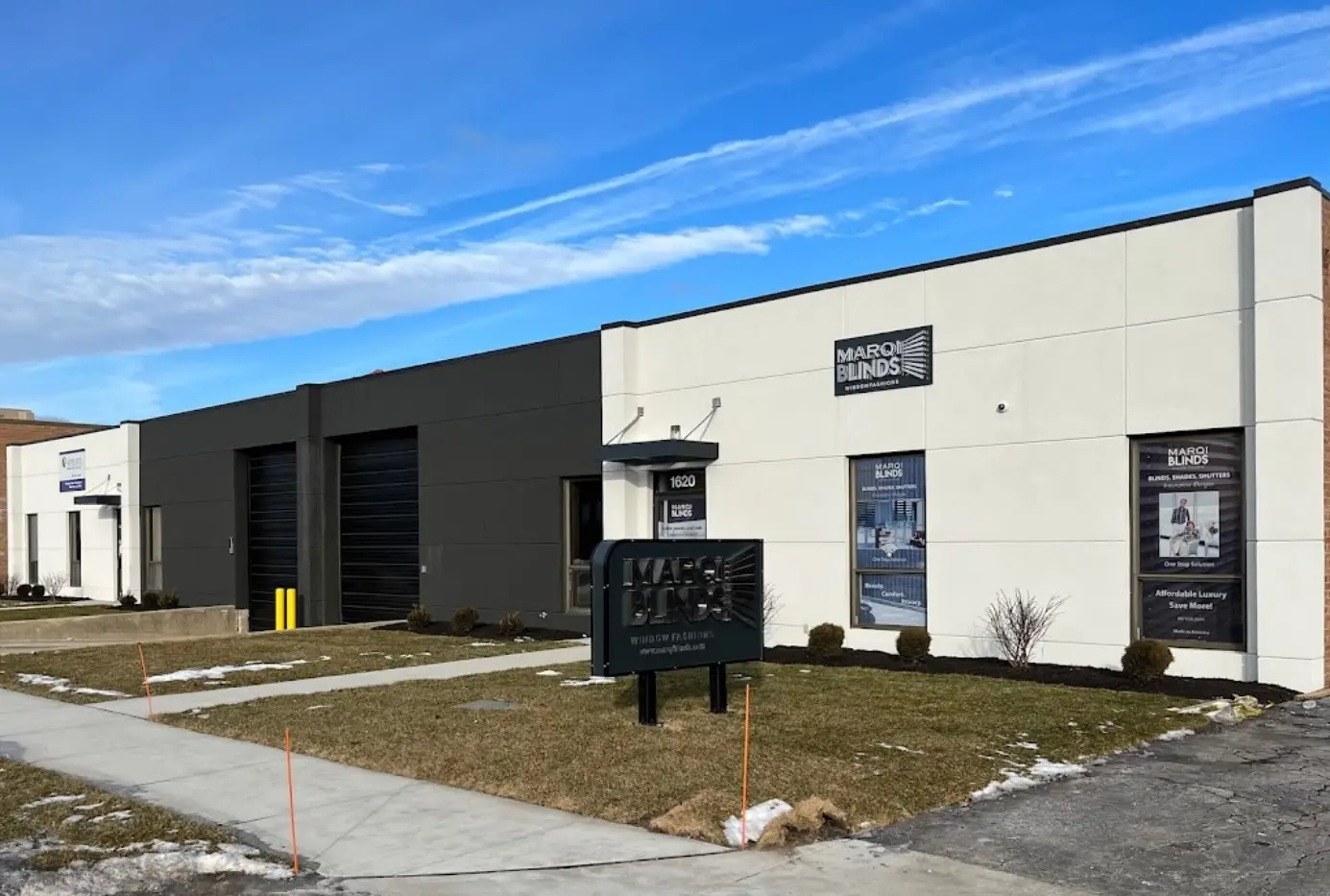

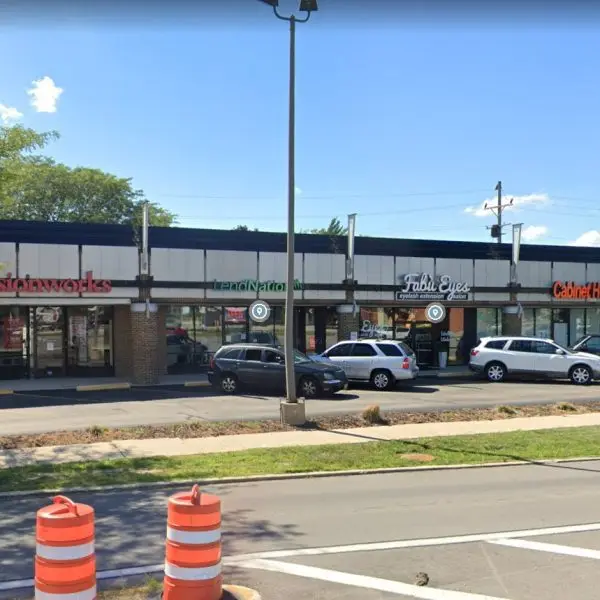
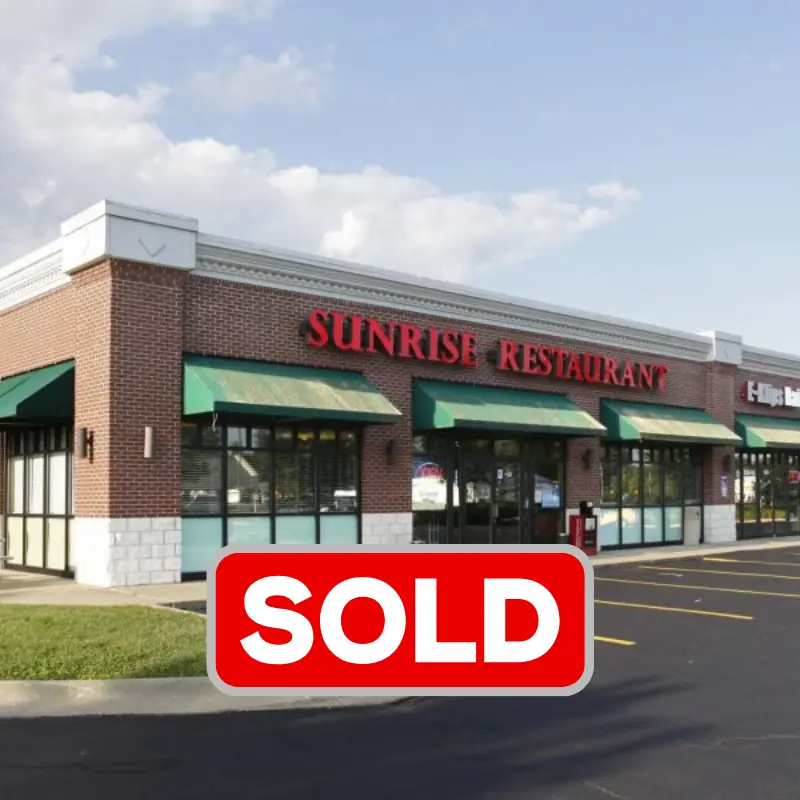
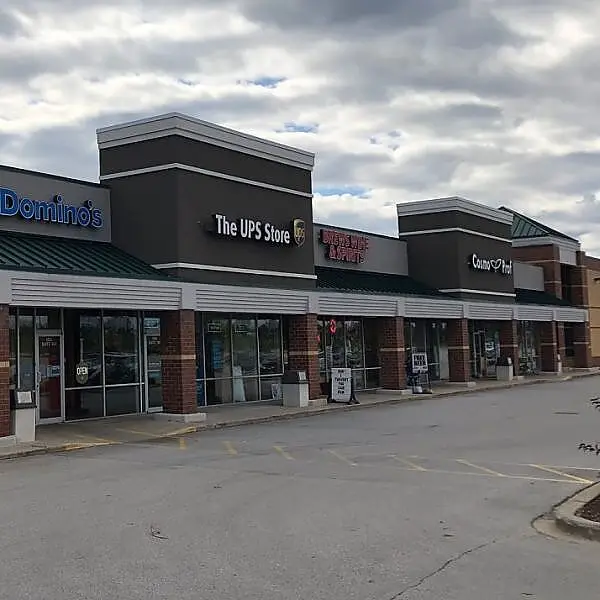
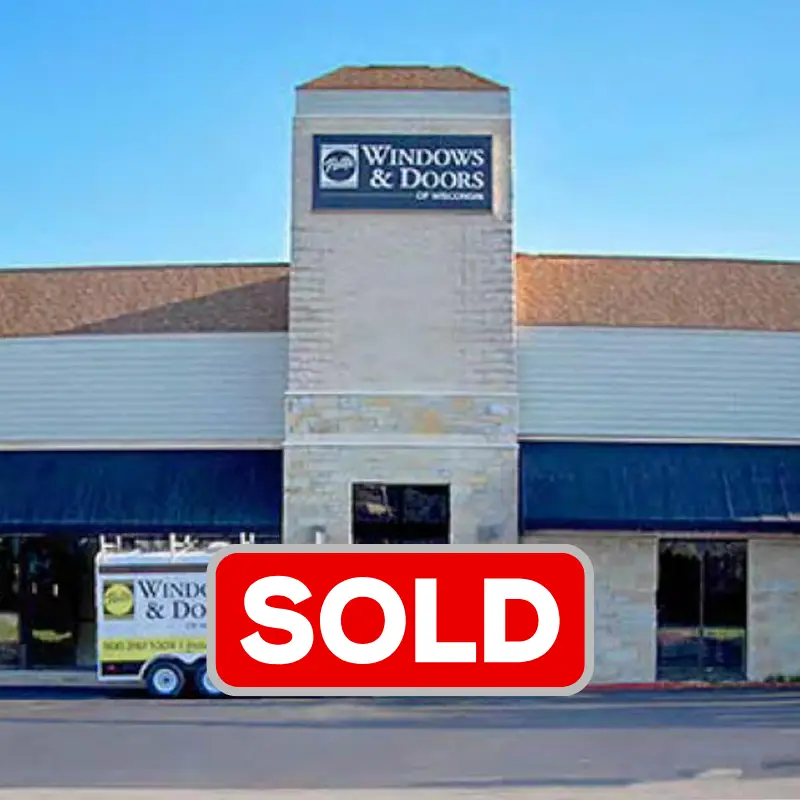

Choose MarQi Co. for Investment Services that prioritize your success and secure your financial future. Contact us today to discuss your investment goals and explore how our team can assist you in making sound investment decisions that align with your long-term objectives.
Commercial Real Estate Investment in Chicago, Rockford and Milwaukee
MarQi Co. invests in and advises on commercial real estate in the greater Chicago area and Rockford, Illinois and in Milwaukee and Waukesha County, Wisconsin. Our own holdings - retail centers, single-tenant net lease buildings and commercial space in Elk Grove Village, Pewaukee, West Allis, Milwaukee and Rockford - are underwritten with the same model we use for clients.
Investors working in the Chicago and Milwaukee markets come to us for acquisition screening, cash-flow and cap-rate analysis, repositioning plans and exit timing. Because we manage what we underwrite, the operating assumptions in our models are the ones our own teams have to live with.
Investment FAQs
What does MarQi Co. invest in?
Residential and mixed-use development alongside commercial real estate, plus operating ventures in stone distribution, cabinet distribution and window treatment manufacturing.
Where are your development projects?
Residential development in Milwaukee, Wisconsin and Dallas, Texas, including multi-family townhouse and mixed-use schemes.
Can I invest alongside MarQi Co.?
Send a service request or email [email protected] with what you are looking for and our team will come back to you.
What is a good cap rate for commercial property?
There is no single good cap rate - it is set by market, asset class, tenant credit and lease term. A single-tenant net lease building with a national tenant and ten years remaining trades at a lower cap rate than a multi-tenant strip center with rollover risk, because the buyer is paying for certainty. The useful question is whether the cap rate is right for that asset's risk in that submarket today.
How do I calculate the value of a commercial property?
The income approach is the working method: take net operating income - gross income less operating expenses, before debt service - and divide by the market capitalization rate for comparable assets. Two things decide whether the answer is real: whether the NOI is clean of one-time items, and whether the cap rate comes from genuinely comparable recent sales.
How do I invest in commercial real estate in Chicago?
Start with the submarket rather than the city: Elk Grove Village industrial, suburban retail corridors and Rockford each behave differently. Underwrite the rent roll and lease expirations before the building, check real operating expense history rather than a pro forma, and confirm what the property tax will be after sale - reassessment on transfer is where Illinois deals commonly lose their margin.
What is a 1031 exchange, and what are the deadlines?
A like-kind exchange under section 1031 lets an owner defer gain when real property held for business or investment is exchanged for other business or investment property of the same type. Two deadlines govern it and both run from the same event. The replacement property must be designated in writing no later than 45 days after the date you transferred the property you gave up, and it must be described in a clear and recognisable manner. The replacement property must then be received by the earlier of two dates: the 180th day after the date you transferred the property given up, or the due date, including extensions, of your tax return for the year in which you transferred it. Since January 1, 2018 the provision applies to real property; the IRS states that exchanges of machinery, equipment, vehicles, artwork, collectibles, patents and other intangible business assets generally do not qualify. This is a summary of the published rules and not tax advice, and the structure of an exchange should be confirmed with a tax adviser before a sale closes.
What does due diligence cover on a commercial acquisition?
Due diligence is a sequence, and the order matters because each stage can end the deal before the next one costs money. Title and survey come first, to establish what is actually being bought and what encumbers it. Zoning and permitted use follow, confirming the intended use is allowed rather than legally non-conforming. Environmental review comes next, beginning with a Phase I assessment and proceeding to further investigation only if the Phase I recommends it. Physical condition covers roof, structure, mechanical systems, parking and accessibility. Lease review is where most surprises live: the rent roll against the actual leases, estoppel certificates from tenants, renewal and termination options, exclusive-use and co-tenancy clauses. Financial review tests the operating expense history against the pro forma, and reads the common area maintenance reconciliations rather than the summary. Service contracts are checked last, for what survives closing.
How does the hold period change which return measure matters?
The same building ranks differently depending on the measure, and the measure should follow the hold period rather than the other way round. A going-in capitalisation rate is a snapshot at purchase and says nothing about what happens afterwards. Cash-on-cash return measures annual distributions against the equity actually invested, so it reflects financing. An internal rate of return incorporates the timing of every cash flow and therefore depends heavily on the exit assumption. A short hold makes the analysis mostly a bet on the exit; a long hold makes it a bet on rent growth and on the capital spending needed to sustain it. Stating the intended hold before choosing the measure prevents the common error of comparing two assets on a metric that suits only one of them.
Related
- Asset Management
- Our Projects
- Brokerage Services
- Chicago Commercial Real Estate Investment Opportunities
- How to Invest in Chicago Commercial Real Estate
- Risks and Rewards of Commercial Property Investment
- Best Midwest Cities for Commercial Real Estate Investment
- Best Cities in Illinois for Commercial Real Estate Investment
- Calculating Cap Rates for Commercial Properties