
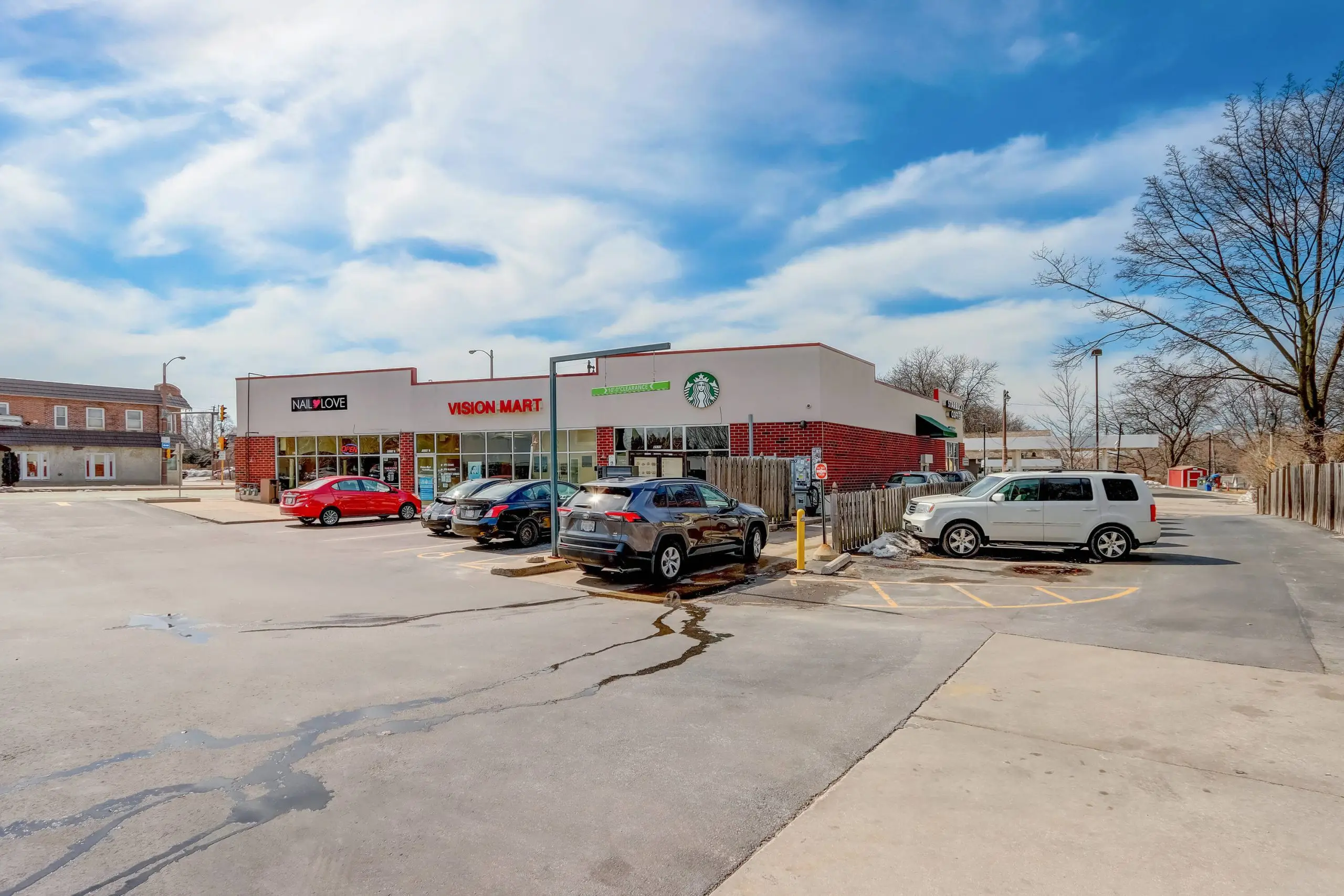
Ensuring ADA Compliance in Commercial Retail Centers: A Property Manager’s Guide
Ensuring ADA Compliance in Commercial Retail Centers: A Property Manager’s Guide
In today’s world, ensuring accessibility for all individuals, including those with disabilities, is not just a regulatory requirement but also a moral imperative. The Americans with Disabilities Act (ADA) mandates that public spaces, including commercial retail centers, be accessible to everyone. Property managers play a crucial role in ensuring that their properties comply with ADA standards, thereby fostering an inclusive environment. This article will delve into how property managers can effectively ensure ADA compliance in commercial retail centers, drawing insights from MarQi Co., a trusted partner for real estate management and investment in Pewaukee, WI.
Understanding ADA Requirements
The Americans with Disabilities Act (ADA), enacted in 1990, is a civil rights law that prohibits discrimination based on disability. Title III of the ADA specifically addresses public accommodations, which includes commercial retail centers. Understanding the ADA’s requirements is crucial for property managers, as non-compliance can lead to legal challenges and financial penalties.
According to the ADA National Network, the law requires that public spaces be accessible to individuals with disabilities, which includes:
- Accessible parking spaces
- Ramps and curb cuts
- Accessible entrances and exits
- Interior accessibility, including aisles and restrooms
- Effective communication methods for individuals with hearing or vision impairments
For a detailed overview of ADA requirements, property managers can refer to the ADA website at www.ada.gov.
The Role of Property Managers in Ensuring Compliance
Property managers are the backbone of commercial retail centers when it comes to maintaining compliance with ADA regulations. Their responsibilities include:
- Assessing Accessibility: Conducting regular assessments of the property to identify areas needing improvement.
- Implementing Changes: Overseeing renovations and modifications to ensure they meet ADA standards.
- Training Staff: Educating staff and tenants about ADA requirements and best practices for accommodating customers with disabilities.
- Community Engagement: Engaging with the local community to understand their needs and concerns regarding accessibility.
MarQi Co. has been committed to community engagement and ensuring that local businesses thrive in an inclusive environment. This commitment enhances the overall shopping experience at locations like Pewaukee Plaza, where accessibility is prioritized.
Key Areas of Focus for ADA Compliance
To ensure compliance with ADA standards, property managers should focus on several key areas:
1. Accessible Parking
Accessible parking spaces must be located close to the main entrance of the retail center. They should also be clearly marked with appropriate signage. The number of accessible spaces required depends on the total number of parking spaces available:
| Total Parking Spaces | Required Accessible Spaces |
|---|---|
| 1-25 | 1 |
| 26-50 | 2 |
| 51-75 | 3 |
| 76-100 | 4 |
| 101-150 | 5 |
2. Entrances and Exits
All entrances and exits should be accessible, with ramps and automatic doors where necessary. A minimum of one accessible entrance should be available for each building.
3. Interior Accessibility
Inside the retail center, aisles should be wide enough to accommodate wheelchairs, and accessible restrooms must be available. The layout should allow individuals with disabilities to navigate easily.
4. Signage
Signage should be clear, visible, and include Braille where applicable. This ensures that individuals with visual impairments can navigate the space effectively.
5. Communication Accessibility
Property managers should also ensure that effective communication methods are available for individuals with hearing impairments, such as assistive listening devices or sign language interpreters.
Steps to Ensure ADA Compliance
Here’s a step-by-step guide for property managers to ensure ADA compliance:
- Conduct an Accessibility Audit: Hire an expert to assess the property for compliance with ADA standards.
- Create an Action Plan: Based on the audit findings, develop a comprehensive action plan that outlines necessary modifications and timelines.
- Implement Changes: Oversee the implementation of changes, ensuring that all work is completed according to ADA standards.
- Train Staff: Educate employees and tenants about ADA requirements and how to assist customers with disabilities.
- Engage with the Community: Seek feedback from the local community to identify areas for improvement.
- Regularly Review and Update: Conduct periodic reviews to ensure ongoing compliance and make necessary adjustments.
Best Practices for Property Managers
Implementing best practices can streamline the process of ensuring ADA compliance:
- Stay Informed: Keep up to date with changes in ADA regulations and best practices.
- Document Everything: Maintain thorough records of audits, action plans, and compliance efforts.
- Foster a Culture of Inclusion: Encourage tenants and staff to prioritize accessibility and inclusivity.
- Utilize Technology: Leverage technology, such as mobile apps, to assist individuals with disabilities in navigating the retail center.
Common Challenges and Solutions
While ensuring ADA compliance is crucial, property managers may face challenges:
1. Budget Constraints
Many property managers struggle with limited budgets for renovations. Solutions include prioritizing the most critical areas for improvement and seeking grants or funding from local organizations.
2. Tenant Cooperation
Some tenants may resist making changes to comply with ADA standards. Open communication and providing resources can help facilitate cooperation.
3. Lack of Knowledge
Property managers may not be well-versed in ADA requirements. Investing in training and consulting with experts can bridge this knowledge gap.
Case Studies and Examples
Several commercial retail centers have successfully implemented ADA compliance strategies:
Example 1: Pewaukee Plaza
At Pewaukee Plaza, MarQi Co. has prioritized accessibility by installing ramps, automatic doors, and clear signage. This commitment has not only ensured compliance but has also enhanced the shopping experience for all customers.
Example 2: Local Shopping Center in Waukesha County
A shopping center in nearby Waukesha County conducted an extensive accessibility audit and made necessary modifications, resulting in a significant increase in foot traffic from individuals with disabilities.
Frequently Asked Questions
1. What is ADA compliance?
ADA compliance refers to the adherence to the Americans with Disabilities Act, ensuring that public spaces are accessible to individuals with disabilities.
2. Why is ADA compliance important for retail centers?
It is essential for legal reasons and promotes inclusivity, enhancing customer experience and potentially increasing foot traffic.
3. What are common ADA violations in retail centers?
Common violations include inaccessible entrances, insufficient accessible parking, and unclear signage.
4. How can property managers assess ADA compliance?
Property managers can conduct accessibility audits with the help of experts to identify compliance issues.
5. Are there financial resources available for ADA compliance?
Yes, property managers can seek grants and funding from local organizations and government programs to assist with compliance efforts.
6. How often should a property be reviewed for ADA compliance?
It is recommended to conduct reviews at least annually or whenever significant changes are made to the property.
7. Can ADA compliance improve business profitability?
Yes, by making a retail center more accessible, it can attract a broader customer base, ultimately leading to increased sales.
8. What should I do if I receive a complaint about ADA violations?
Address the complaint promptly, conduct an assessment, and implement necessary changes to resolve the issue.
Conclusion
Ensuring ADA compliance in commercial retail centers is not just about adhering to legal requirements; it’s about fostering an inclusive community. Property managers play a vital role in this process, from conducting assessments to implementing necessary changes. By prioritizing accessibility, property managers not only comply with regulations but also enhance the shopping experience for all customers. At MarQi Co., we are dedicated to supporting local businesses and ensuring that our properties, like Pewaukee Plaza, reflect these values. Contact us today to learn more about our services!
Related articles
- How Pewaukee’s Business Community Celebrates Small Business Week
- Why Capitol Drive Is a Key Commercial Corridor for Pewaukee Businesses
- The Complete Guide to Outdoor Recreation in Lake Country, Wisconsin
- How Pewaukee’s Growing Population Is Driving New Business and Development
- Why Waukesha County Is One of the Best Places to Live and Work in Wisconsin
- The Complete Guide to Living in Pewaukee: Schools, Recreation, and Community