How Commercial Real Estate Development Works: A Comprehensive Guide
How Commercial Real Estate Development Works: A Comprehensive Guide
Commercial real estate development is a complex process that can lead to significant financial returns when executed correctly. It involves several stages, each requiring careful planning and execution. In this article, we will explore the various phases of commercial real estate development, including site selection, design, construction, leasing, and property management. We will also address the importance of strategic investment and how companies like MarQi Co can assist in navigating this intricate landscape.
Understanding Commercial Real Estate Development
Commercial real estate development refers to the process of building or renovating properties for commercial use. This includes a variety of property types, such as office buildings, retail centers, industrial warehouses, and mixed-use developments. Unlike residential real estate, which primarily serves individual homeowners, commercial real estate is aimed at businesses and organizations.
The Importance of Strategic Planning
Before embarking on a commercial real estate development project, it is crucial to have a well-defined strategy in place. Strategic planning involves understanding market trends, assessing demand, and identifying potential risks. By conducting comprehensive market research, developers can make informed decisions that align with current and future market conditions.
The Phases of Commercial Real Estate Development
The development of commercial real estate typically unfolds in several key phases:
1. Pre-Development
The pre-development phase is where the groundwork for a successful project is laid. This includes:
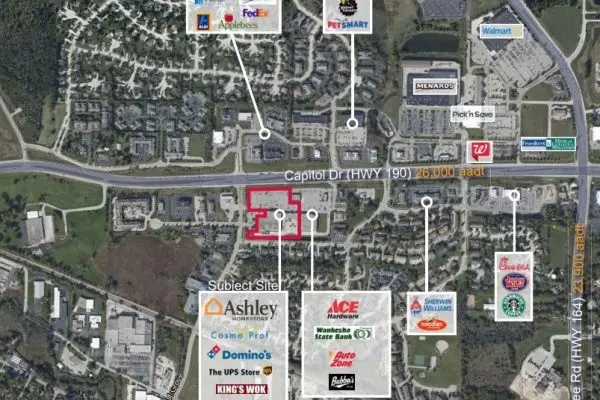
- Site Selection: Choosing the right location is critical for any commercial development. Factors to consider include proximity to transportation, visibility, and local demographics.
- Feasibility Studies: Conducting feasibility studies helps developers assess whether a project is viable financially and operationally.
- Financing: Securing funding through loans, investors, or partnerships is essential to move forward.
2. Design and Planning
Once a site is selected and financing is in place, the next phase is design and planning. This phase involves:
- Hiring Architects and Engineers: Professionals are brought on board to create detailed plans and designs for the project.
- Obtaining Permits: Developers must navigate local regulations and secure the necessary permits to proceed.
- Community Engagement: Engaging with the community to gather feedback and address concerns can help smooth the development process.
3. Construction
The construction phase is where the physical building takes place. Key components include:
- Contracting: Developers typically hire general contractors to oversee the construction process.
- Project Management: Effective project management ensures that the project stays on schedule and within budget.
- Quality Control: Regular inspections are conducted to guarantee that the construction meets quality standards and complies with regulations.
4. Leasing and Marketing
Once the construction is complete, the property must be leased out to tenants. This phase includes:
- Marketing the Property: Effective marketing strategies help attract potential tenants. This may include online listings, open houses, and networking.
- Negotiating Leases: Developers or leasing agents negotiate lease terms with prospective tenants to ensure mutual benefits.
- Tenant Improvements: Customizing spaces to meet tenant specifications can increase occupancy rates.
5. Property Management
After leasing, ongoing property management becomes essential. This involves:
- Maintenance: Routine maintenance and repairs ensure that the property remains in good condition.
- Tenant Relations: Building positive relationships with tenants can enhance retention rates.
- Financial Management: Monitoring income and expenses helps optimize property value.
Commercial Real Estate Investment Strategy
Having a long-term investment strategy is vital for successful commercial real estate development. Companies like MarQi Co specialize in strategic commercial real estate investments, ensuring that properties are acquired and developed with a focus on maximizing returns. A well-structured investment strategy includes:
- Diversification: Investing in various types of commercial properties can mitigate risks and enhance portfolio stability.
- Market Analysis: Continuous evaluation of market trends helps investors make data-driven decisions.
- Value Optimization: Strategies to enhance property value, such as renovations or improved management practices, can lead to increased rental income.
Challenges in Commercial Real Estate Development
Despite the potential rewards, commercial real estate development comes with its share of challenges:
1. Regulatory Hurdles
Developers often face complex zoning laws and regulations that can delay projects. Understanding local regulations is critical to navigating these challenges effectively.
2. Market Fluctuations
Changes in the economy can impact demand for commercial properties. Developers must remain agile and adapt to shifts in market conditions.
3. Financing Risks
Securing financing can be a challenge, especially in uncertain economic climates. Having a robust financial plan is essential to mitigate these risks.
Conclusion
Commercial real estate development is a multifaceted process that requires careful planning, execution, and management. By understanding the various phases of development and the importance of strategic investment, developers can navigate the complexities of the market successfully. Companies like MarQi Co offer invaluable expertise in commercial property acquisition, management, and value optimization, making them a trusted partner for those looking to invest in commercial real estate.
FAQ
1. What types of properties are included in commercial real estate development?
Commercial real estate development includes office buildings, retail centers, industrial warehouses, mixed-use developments, and more.
2. How long does the commercial real estate development process take?
The timeline can vary significantly based on project size and complexity, but it typically ranges from several months to a few years.
3. What is the role of a property manager in commercial real estate?
A property manager oversees the daily operations of a commercial property, including maintenance, tenant relations, and financial management.
4. How can I secure financing for a commercial development project?
Financing can be secured through traditional banks, private investors, or partnerships. A solid business plan is essential for attracting funding.
5. What factors should I consider when selecting a site for development?
Considerations include location, visibility, accessibility, local demographics, and zoning regulations.
6. How do market trends affect commercial real estate development?
Market trends influence demand for different types of properties, which can impact investment strategies and project viability.
7. What are the common risks associated with commercial real estate development?
Common risks include regulatory hurdles, market fluctuations, financing challenges, and construction delays.
8. How can MarQi Co assist in commercial real estate development?
MarQi Co offers strategic investment guidance, professional property management, and expertise in commercial leasing to optimize property value.