
How Local Businesses Adapt to Seasonal Changes in the Wisconsin Market
How Local Businesses Adapt to Seasonal Changes in the Wisconsin Market
As the seasons change in Wisconsin, local businesses must adapt to the shifting demands and behaviors of consumers. From the hot summers to the frigid winters, each season brings unique challenges and opportunities that require strategic planning and execution. In this comprehensive guide, we will explore how local businesses in Wisconsin, particularly in areas like Pewaukee and Lake Country, navigate these seasonal changes. We will delve into the strategies employed by these businesses to thrive, the importance of community engagement, and how real estate management plays a crucial role in their success.
Understanding Seasonal Changes in Wisconsin
Wisconsin experiences a range of seasonal changes that significantly impact consumer behavior and business operations. The state is known for its distinct four seasons: spring, summer, fall, and winter. Each season brings different weather conditions, holidays, and events that influence shopping patterns and service demand.
According to the Wisconsin Department of Tourism, the summer months are peak tourist season, with many visitors flocking to lakes and outdoor attractions. Conversely, winter sees a decline in tourism but an increase in demand for indoor services such as dining and entertainment. Understanding these seasonal trends is essential for local businesses to optimize their offerings and marketing strategies.
Impact on Local Businesses
The impact of seasonal changes on local businesses can be profound. Some common effects include:
- Consumer Spending Patterns: Seasonal changes often lead to shifts in consumer spending. For example, during the summer, outdoor gear and recreational services may see increased demand, while winter may boost sales for cozy apparel and indoor activities.
- Inventory Management: Local businesses must manage their inventory effectively to align with seasonal trends. This may involve increasing stock for high-demand items during peak seasons or reducing inventory during slower months.
- Staffing Needs: Seasonal changes can also affect staffing requirements. Businesses may need to hire seasonal employees to manage increased demand during busy periods.
- Marketing Strategies: Marketing campaigns often need to be tailored to reflect seasonal themes and consumer interests. For example, promoting holiday-themed products during winter or outdoor activities during summer can attract more customers.
Strategies for Adaptation
To effectively navigate seasonal changes, local businesses in Wisconsin employ various strategies:
1. Seasonal Promotions and Discounts
One effective strategy is to offer seasonal promotions and discounts. For instance, local retailers may run summer sales on outdoor furniture and equipment or winter promotions on warm clothing. These promotions can help attract customers looking for seasonal deals.
2. Diversifying Product Offerings
Many businesses adapt by diversifying their product offerings to cater to different seasonal demands. For example, restaurants may change their menus to include seasonal ingredients, while retail stores might offer a range of products that appeal to different seasonal activities.
3. Community Events and Engagement
Engaging with the community through events can also help local businesses adapt to seasonal changes. Hosting summer festivals, winter holiday markets, or fall harvest events can draw in customers and create a sense of community.
4. Utilizing Social Media
Social media platforms are powerful tools for local businesses to communicate seasonal offerings and promotions. By posting engaging content that highlights seasonal products or events, businesses can reach a wider audience and drive foot traffic.
5. Data-Driven Decisions
Analyzing sales data and customer feedback can provide valuable insights into seasonal trends. Local businesses can use this information to make informed decisions about product offerings, staffing, and marketing strategies.
The Role of Community Engagement
Community engagement is vital for local businesses, especially in a state like Wisconsin, where residents value local connections. By actively participating in community events and supporting local initiatives, businesses can strengthen their relationships with customers and enhance brand loyalty.
1. Supporting Local Causes
Many local businesses choose to support causes that resonate with their community. This could involve sponsoring local sports teams, contributing to charitable events, or partnering with local organizations. These efforts not only help the community but also build goodwill for the business.
2. Collaborating with Other Local Businesses
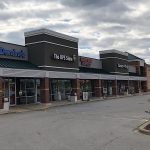
Collaboration among local businesses can lead to innovative solutions for adapting to seasonal changes. For example, businesses in Pewaukee Plaza often work together to promote seasonal events, creating a unified marketing effort that benefits all participating businesses.
3. Hosting Workshops and Events
Hosting workshops or events, such as cooking classes or seasonal craft fairs, can provide additional revenue streams and attract new customers. These events create opportunities for community members to engage with local businesses in a meaningful way.
The Role of Real Estate Management
Effective real estate management is crucial for local businesses, especially in adapting to seasonal changes. MarQi Co. specializes in real estate management and investment services, providing local businesses with the support they need to thrive.
1. Optimizing Space Utilization
Real estate management involves optimizing space utilization to meet seasonal demands. This could mean reconfiguring retail spaces to accommodate seasonal displays or adjusting layouts for events. With local expertise, MarQi Co. can help businesses maximize their space effectively.
2. Tenant Relations
Maintaining positive tenant relations is essential for businesses within retail centers like Pewaukee Plaza. MarQi Co.’s commitment to tenant relations ensures that businesses receive the support they need, fostering a collaborative environment that benefits all tenants.
3. Seasonal Maintenance
Real estate management also includes seasonal maintenance of properties. Ensuring that facilities are well-maintained and ready for seasonal activities is vital for creating a welcoming atmosphere for customers.
Case Studies: Local Businesses in Action
Let’s take a closer look at how some local businesses in Pewaukee and Lake Country have successfully adapted to seasonal changes:
1. Local Coffee Shop
A local coffee shop in Pewaukee saw a spike in sales during the summer months, driven by outdoor seating and iced beverages. To capitalize on this, they launched a “Summer Sips” campaign, featuring seasonal drinks and outdoor events. This strategy not only boosted sales but also strengthened their community presence.
2. Seasonal Retail Store
A seasonal retail store specializing in holiday decorations saw an increase in sales during the winter months. To prepare, they expanded their inventory and hired additional staff. Their proactive approach allowed them to meet customer demand and enhance the shopping experience.
3. Fitness Center
A fitness center in Lake Country adapted to seasonal changes by offering outdoor classes during the summer and special winter wellness programs. By diversifying their offerings, they attracted a broader audience and kept membership levels steady year-round.
Frequently Asked Questions
1. How do local businesses prepare for seasonal changes?
Local businesses prepare for seasonal changes by analyzing sales data, adjusting inventory, and creating marketing campaigns that align with seasonal trends.
2. What strategies can businesses use to attract customers during the winter?
Businesses can attract customers during the winter by offering seasonal promotions, hosting events, and emphasizing indoor services that cater to winter activities.
3. Why is community engagement important for local businesses?
Community engagement fosters relationships with customers, enhances brand loyalty, and creates a positive image within the community.
4. How can social media help local businesses adapt to seasonal changes?
Social media can help local businesses promote seasonal offerings, engage with customers, and create awareness about events or promotions.
5. What role does real estate management play in seasonal adaptation?
Real estate management helps businesses optimize their space, maintain tenant relations, and ensure properties are ready for seasonal activities.
6. How can businesses diversify their product offerings seasonally?
Businesses can diversify their product offerings by introducing seasonal items, catering to holiday themes, or expanding their services based on seasonal demands.
7. What are some examples of seasonal promotions?
Seasonal promotions can include discounts on holiday-themed products, summer sales on outdoor gear, or special pricing for seasonal services.
8. How can local businesses collaborate for community events?
Local businesses can collaborate by co-hosting events, creating joint marketing campaigns, or participating in community fairs to enhance visibility and draw in customers.
Conclusion
Adapting to seasonal changes is essential for local businesses in Wisconsin to thrive. By understanding consumer behavior, implementing strategic adaptations, and engaging with the community, businesses can successfully navigate the challenges each season brings. With the support of real estate management services like those offered by MarQi Co., local businesses can optimize their operations and enhance their presence within the community. If you’re a local business looking to improve your seasonal strategies, contact us today to learn more about our services!
Related articles
- How Pewaukee’s Business Community Celebrates Small Business Week
- Why Capitol Drive Is a Key Commercial Corridor for Pewaukee Businesses
- The Complete Guide to Outdoor Recreation in Lake Country, Wisconsin
- How Pewaukee’s Growing Population Is Driving New Business and Development
- Why Waukesha County Is One of the Best Places to Live and Work in Wisconsin
- The Complete Guide to Living in Pewaukee: Schools, Recreation, and Community