
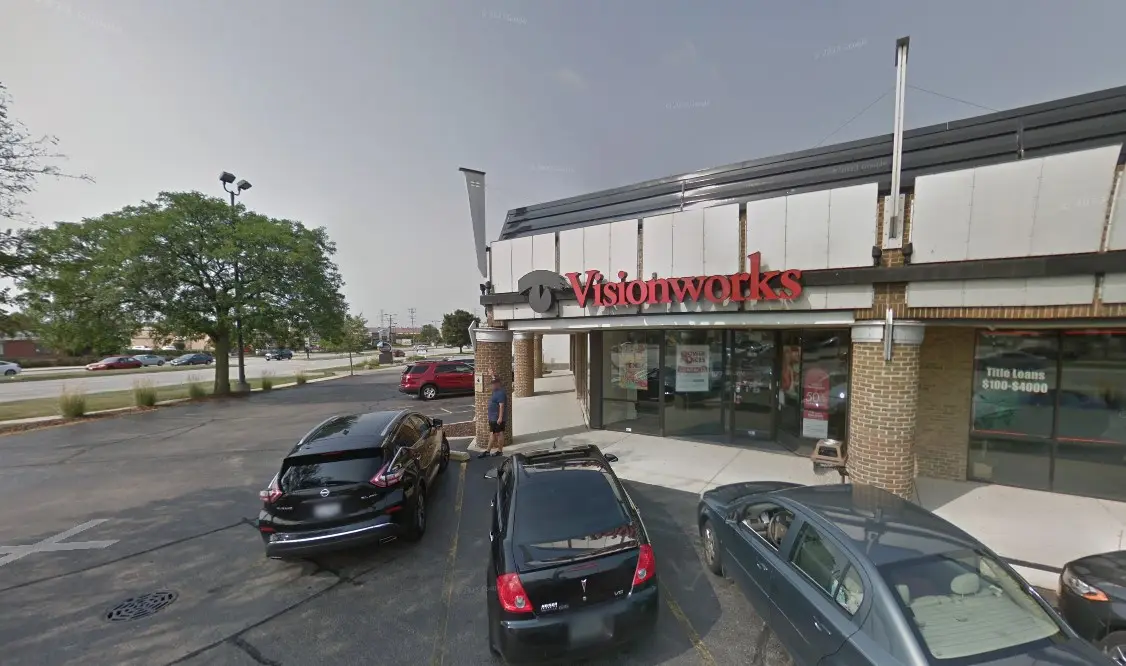
Exploring Retail Leasing Opportunities in Chicago: A Comprehensive Guide
Exploring Retail Leasing Opportunities in Chicago: A Comprehensive Guide
Introduction
Chicago, known for its vibrant culture, diverse neighborhoods, and robust economy, presents a wealth of retail leasing opportunities for businesses looking to establish a presence in the Windy City. With its strategic location, strong consumer base, and continuous development, Chicago is an attractive destination for retailers of all sizes. This article will delve into the current retail leasing landscape in Chicago, key factors influencing the market, and strategic insights for securing the best retail space.
The Current Retail Landscape in Chicago
Market Overview
As one of the largest metropolitan areas in the United States, Chicago boasts a dynamic retail market. The city’s retail sector has demonstrated resilience, particularly in the face of recent economic challenges. According to industry reports, retail vacancy rates in Chicago have stabilized, with a growing demand for both brick-and-mortar stores and e-commerce fulfillment centers. As consumer preferences evolve, retail leasing opportunities are expanding in various neighborhoods across the city.
Key Neighborhoods for Retail Leasing
Chicago is home to numerous neighborhoods that offer unique retail leasing opportunities. Some of the most sought-after areas include:
- Magnificent Mile: A premier shopping destination featuring luxury retailers and flagship stores.
- Wicker Park: Known for its trendy boutiques and local shops, appealing to a younger demographic.
- Lincoln Park: A residential area with a mix of high-end retailers and casual dining options.
- West Loop: A rapidly developing neighborhood with a focus on culinary experiences and retail innovation.
Factors Driving Retail Leasing in Chicago
Demographic Trends
Understanding the demographic trends in Chicago is crucial for retailers seeking to lease space. The city has a diverse population with varying income levels, preferences, and shopping habits. The influx of young professionals and families into urban areas has created demand for lifestyle-driven retail experiences. Retailers that cater to these demographic shifts are more likely to thrive in Chicago’s competitive market.
Economic Factors
Chicago’s economy is one of the largest in the U.S., with a strong foundation in finance, technology, and manufacturing. The city’s economic stability has encouraged both local and national retailers to consider leasing opportunities. Moreover, the ongoing development of mixed-use projects and innovation hubs in Chicago is further enhancing the retail landscape, creating more opportunities for businesses.
Consumer Behavior
The rise of e-commerce has transformed consumer behavior, leading retailers to rethink their brick-and-mortar strategies. Retailers are increasingly looking for spaces that not only offer traditional shopping experiences but also serve as showrooms, fulfillment centers, and community hubs. This shift has resulted in unique leasing opportunities that blend retail, dining, and entertainment elements.
Strategies for Securing Retail Space in Chicago
Conduct Thorough Market Research
Before entering the retail leasing market in Chicago, it’s essential to conduct comprehensive market research. This includes analyzing local competition, understanding consumer preferences, and identifying trends specific to the neighborhood you are targeting. Utilize resources such as market reports, demographic studies, and retail analytics to inform your decision-making process.
Engage with Experienced Brokers
Partnering with an experienced commercial real estate broker can significantly enhance your chances of securing the ideal retail space. Brokers possess in-depth knowledge of the market, access to exclusive listings, and negotiation skills that can help you navigate the complexities of retail leasing. They can also provide valuable insights into lease terms, market conditions, and potential pitfalls.
Understand Lease Agreements
Retail leases can be complex, often involving various terms and conditions that can impact your business’s bottom line. It’s crucial to understand the different types of leases, such as gross leases, net leases, and percentage leases. Each type has its advantages and disadvantages, so be sure to consult with a legal professional to ensure that you fully understand the implications of your lease agreement.
Consider Location and Foot Traffic
Location is a vital factor in retail success. When selecting a retail space, consider the visibility, accessibility, and foot traffic in the area. High-traffic locations near public transportation, major attractions, or busy intersections can significantly increase your chances of attracting customers. Additionally, evaluate the surrounding businesses and amenities to ensure that your retail space complements the local ecosystem.
Plan for the Future
As the retail landscape continues to evolve, it’s essential to plan for the future. Consider how your business can adapt to changing consumer behaviors and market conditions. Flexibility in your lease terms, such as options for expansion or subleasing, can provide additional security as your business grows and changes.
Conclusion
Retail leasing opportunities in Chicago are abundant and diverse, making it an ideal location for businesses looking to establish a footprint in a thriving market. By understanding the current landscape, demographic trends, and strategic considerations, retailers can position themselves for success in this dynamic city. Whether you are a new startup or an established brand, leveraging the right strategies will help you navigate the retail leasing process and find the perfect space to meet your business goals.
Frequently Asked Questions (FAQ)
1. What are the average retail lease rates in Chicago?
Retail lease rates in Chicago vary by neighborhood and the type of space. On average, rates can range from $20 to $40 per square foot, with prime locations commanding higher prices.
2. How long do retail leases typically last?
Retail leases often range from 3 to 10 years, though longer leases are not uncommon for established businesses.
3. What types of retail spaces are available in Chicago?
Retail spaces in Chicago include standalone stores, storefronts in mixed-use developments, shopping centers, and pop-up locations.
4. Is it necessary to hire a broker for retail leasing?
While it’s not mandatory, hiring a broker can provide valuable insights and assistance in navigating the leasing process, especially for first-time lessees.
5. What should I look for in a retail lease agreement?
Key elements to consider include lease duration, rent structure, renewal options, and permitted use clauses.
6. How can I increase foot traffic to my retail location?
Utilizing marketing strategies, hosting events, and collaborating with neighboring businesses can help attract more customers to your retail space.
7. Are there specific regulations I should be aware of when leasing retail space in Chicago?
Yes, retail landlords must comply with local zoning laws, health regulations, and building codes. It’s advisable to consult legal counsel for guidance.
8. Can I negotiate my lease terms?
Yes, lease terms are often negotiable. Collaborate with your broker to identify areas where you can seek more favorable conditions.
9. What is a percentage lease, and when is it beneficial?
A percentage lease involves paying a base rent plus a percentage of sales. This type of lease can be beneficial for retailers who expect fluctuating sales, as it aligns rent with performance.
10. How can I prepare my business for a retail location in Chicago?
Conduct thorough market research, understand your target audience, and develop a solid business plan that includes marketing and operational strategies to ensure a successful launch.
Triple net rent sits on top of shared costs - see what common area maintenance adds to a net lease.
Related articles
- How Pewaukee’s Business Community Celebrates Small Business Week
- Why Capitol Drive Is a Key Commercial Corridor for Pewaukee Businesses
- The Complete Guide to Outdoor Recreation in Lake Country, Wisconsin
- How Pewaukee’s Growing Population Is Driving New Business and Development
- Why Waukesha County Is One of the Best Places to Live and Work in Wisconsin
- The Complete Guide to Living in Pewaukee: Schools, Recreation, and Community