The Most Profitable Retail Center Layouts: Maximizing Revenue Through Strategic Design
The Most Profitable Retail Center Layouts: Maximizing Revenue Through Strategic Design
When it comes to commercial real estate, the layout of a retail center plays a critical role in its profitability. A well-designed retail center not only enhances the shopping experience but also maximizes revenue for property owners and tenants alike. In this article, we will explore the most profitable retail center layouts, the principles behind effective design, and how strategic planning can lead to long-term success in the retail sector.
Understanding Retail Center Layouts
A retail center layout refers to the arrangement of stores, walkways, parking, and other amenities within a shopping complex. The layout greatly influences foot traffic, shopper behavior, and overall sales. Retail centers can vary significantly in size and format, from small strip malls to large shopping plazas. Understanding the types of layouts and their characteristics is essential for investors and property managers aiming to optimize performance.
Types of Retail Center Layouts
There are several common layouts used in retail centers, each with its own advantages and challenges:
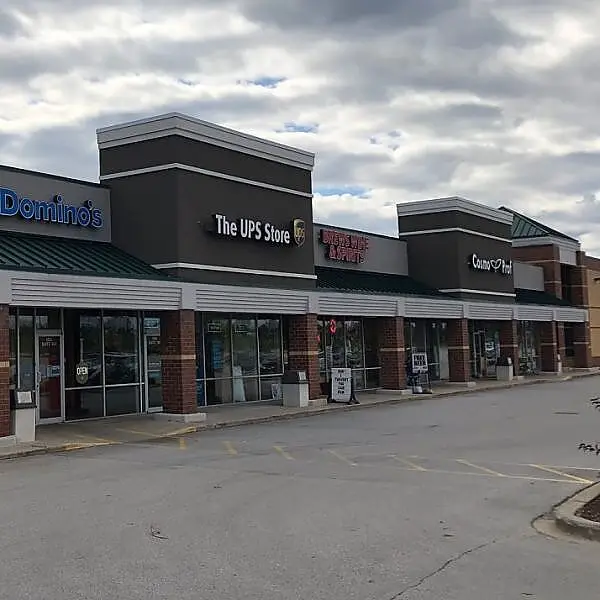
- Strip Malls: These are linear arrangements of stores, typically with a shared parking lot. They are cost-effective and allow for easy access but may lack the foot traffic of larger centers.
- Shopping Plazas: Larger than strip malls, shopping plazas often feature a mix of retail stores, restaurants, and service providers. Their design encourages visitors to spend more time on-site, increasing sales potential.
- Enclosed Malls: These indoor shopping centers provide a controlled environment, which can enhance the shopping experience, especially in regions with extreme weather. However, they require higher upkeep and maintenance costs.
- Mixed-Use Developments: Combining retail, residential, and commercial spaces, these developments cater to various needs, creating a vibrant community atmosphere. They often see higher foot traffic due to their diverse offerings.
Key Principles of Profitable Retail Center Design
To create a profitable retail center layout, certain design principles should be considered:
1. Accessibility and Visibility
Easy access and visibility are crucial for attracting customers. Retail centers should be located in high-traffic areas with ample parking and clear signage. Additionally, visibility from the road can enhance foot traffic and drive sales.
2. Strategic Tenant Placement
Positioning complementary businesses next to each other can increase sales for all tenants. For example, placing a coffee shop near a bookstore can encourage patrons to linger longer, benefiting both businesses.
3. Effective Use of Space
Maximizing the use of available space is essential. This includes not only the layout of individual stores but also shared spaces such as walkways and common areas. Open layouts with wide walkways can enhance the shopping experience and encourage exploration.
4. Creating Atmosphere
The ambiance of a retail center can significantly impact shopper behavior. Incorporating aesthetics such as landscaping, art installations, and comfortable seating areas can create a welcoming environment that encourages customers to stay longer.
5. Incorporating Technology
Modern retail centers can benefit from integrating technology. Features such as digital directories, Wi-Fi access, and mobile payment options can improve the customer experience and streamline operations.
Examples of Profitable Retail Center Layouts
Here are some examples of retail center layouts that have proven to be highly profitable:
1. The Power Center
Power centers typically feature a mix of big-box retailers and smaller shops, all arranged around a shared parking lot. This layout drives high traffic volumes and encourages cross-shopping.
2. The Lifestyle Center
These centers combine retail with dining and entertainment, creating an engaging shopping experience. The open-air design invites customers to explore and socialize, leading to increased spending.
3. The Community Center
Focusing on local needs, community centers often feature grocery stores, pharmacies, and essential services. Their layout fosters convenience and encourages repeat visits from residents.
4. The Specialty Center
These centers focus on niche markets, offering a curated selection of specialty shops. The unique offerings attract specific demographics, leading to loyal customer bases and consistent sales.
Measuring the Success of Retail Center Layouts
To determine the effectiveness of a retail center layout, several key performance indicators (KPIs) should be monitored:
1. Foot Traffic
Measuring the number of visitors can provide insights into the layout’s effectiveness in attracting customers.
2. Sales per Square Foot
This metric indicates how efficiently space is being utilized and can highlight successful tenant placements.
3. Tenant Turnover Rates
High turnover rates may indicate issues with layout or tenant mix, while low turnover can suggest a successful retail environment.
4. Customer Satisfaction Surveys
Gathering feedback from shoppers can help identify areas for improvement and gauge the overall shopping experience.
Conclusion
Designing a profitable retail center layout requires careful consideration of various factors, from accessibility to tenant placement. By implementing strategic principles and continually measuring success, property managers can optimize their retail spaces for maximum revenue. In the ever-evolving retail landscape, staying ahead of design trends and consumer preferences will ensure long-term success and sustainability.
FAQ
1. What is the most profitable retail center layout?
The most profitable layout often depends on the specific market, but power centers and lifestyle centers typically draw high foot traffic and sales.
2. How does tenant placement affect sales?
Strategic tenant placement can create synergy between businesses, encouraging cross-shopping and increasing overall sales for all tenants.
3. What role does accessibility play in retail center success?
Accessibility is crucial as it determines how easily customers can reach the retail center, impacting foot traffic and sales.
4. How can technology enhance the retail experience?
Integrating technology such as digital directories and mobile payment options can streamline operations and improve the shopping experience.
5. What metrics are important for measuring retail center success?
Key metrics include foot traffic, sales per square foot, tenant turnover rates, and customer satisfaction surveys.
6. Why are community centers important?
Community centers fulfill local needs by providing essential services and convenience, fostering repeat visits and customer loyalty.
7. Can ambiance impact shopper behavior?
Yes, a well-designed atmosphere can enhance the shopping experience, encouraging customers to stay longer and spend more.
8. What is a mixed-use development?
A mixed-use development combines retail, residential, and commercial spaces, creating a vibrant community that attracts diverse clientele.