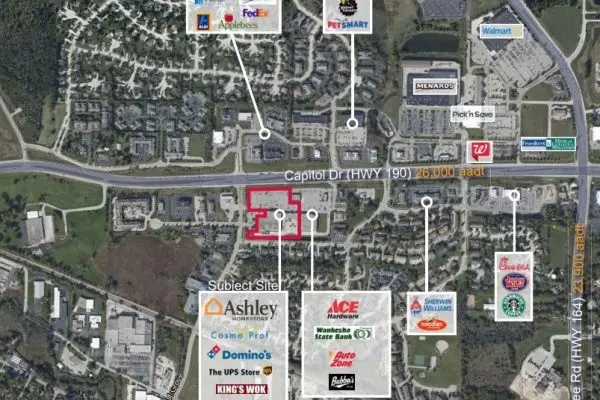

Exploring Chicago Retail Plaza Investment Opportunities: A Comprehensive Guide
Exploring Chicago Retail Plaza Investment Opportunities: A Comprehensive Guide
Chicago, known for its vibrant culture, diverse economy, and bustling urban atmosphere, offers a myriad of investment opportunities, especially in the retail sector. The retail plaza segment has gained significant attention from investors due to its potential for high returns and the increasing demand for commercial spaces. In this article, we will delve into the various aspects of investing in retail plazas in Chicago, exploring the market trends, strategic advantages, and practical tips for potential investors.
Understanding the Chicago Retail Market
The retail market in Chicago is a dynamic and evolving landscape influenced by numerous factors including consumer behavior, economic shifts, and urban development. As one of the largest cities in the United States, Chicago boasts a robust population and a strong economy, making it an attractive destination for retail investment.
Current Trends in Retail Investment
Recent trends indicate a shift towards experiential retail, where consumers seek unique experiences over mere transactions. This trend has led to a rise in the popularity of mixed-use developments that integrate retail, dining, and entertainment options. Additionally, e-commerce has prompted brick-and-mortar stores to adapt by enhancing in-store experiences and embracing technology.
Demographic Insights
Chicago’s diverse demographic profile plays a crucial role in shaping retail investment opportunities. With a population of over 2.7 million people, the city offers a wide range of consumer preferences and spending habits. Understanding the demographics of target neighborhoods can help investors identify promising retail locations within the city.
Advantages of Investing in Retail Plazas
Investing in retail plazas in Chicago comes with a host of advantages that can lead to substantial financial benefits.
Stable Cash Flow
Retail plazas typically generate stable cash flow through long-term leases with tenants. This predictable income stream can be an attractive feature for investors seeking to build a reliable revenue base.
Diverse Tenant Mix
A retail plaza often houses various tenants, from local businesses to national chains. This diversity can mitigate risks associated with tenant turnover, as the loss of one tenant can be offset by the income generated from others.
Appreciation Potential
As neighborhoods develop and demographics shift, retail properties can appreciate significantly in value. Investors who acquire properties in emerging areas may benefit from substantial capital gains over time.
Key Considerations When Investing
While the prospects for retail plaza investment in Chicago are promising, investors should consider several key factors before making a decision.
Location and Accessibility
The location of a retail plaza is critical to its success. Proximity to major thoroughfares, public transportation, and residential areas can significantly impact foot traffic and sales potential. Conducting thorough market research to assess the area’s accessibility is essential.
Market Demand
Understanding local market demand is vital for successful retail investment. Analyze consumer trends, competition, and economic indicators to gauge whether there is sufficient demand for the type of retail offering you plan to introduce.
Tenant Quality
The quality of tenants within a retail plaza can affect both cash flow and property value. A thorough tenant screening process, including financial assessments and business viability checks, can help ensure a stable and reliable tenant mix.
How to Get Started with Retail Plaza Investments
For those interested in diving into retail plaza investment in Chicago, here are a few steps to consider.
1. Conduct Market Research
Research is the foundation of any successful investment strategy. Understand the local market dynamics, including average rental rates, vacancy rates, and demographic trends.
2. Develop a Business Plan
Create a comprehensive business plan that outlines your investment goals, target properties, financing strategies, and exit strategies. This plan will serve as a roadmap for your investment journey.
3. Collaborate with Experts
Partnering with experienced real estate professionals, including brokers, property managers, and consultants, can provide valuable insights and guidance. Their expertise can help you navigate the complexities of the retail market.
4. Explore Financing Options
Understand the different financing options available for commercial real estate investments. Traditional mortgages, private equity, and crowdfunding platforms are some avenues to consider.
5. Start Small
If you’re new to retail plaza investment, consider starting with a smaller property to gain experience before moving on to larger investments. This approach allows you to learn the ropes without taking on excessive risk.
Case Studies of Successful Retail Plaza Investments in Chicago
Examining successful case studies can provide valuable insights into the potential of retail plaza investments in Chicago.
Case Study 1: Lincoln Park Retail Plaza
A retail plaza in Lincoln Park saw substantial appreciation due to its prime location and a diverse tenant mix. The investors leveraged local demographic trends to attract popular brands, resulting in high foot traffic and strong rental income.
Case Study 2: South Loop Mixed-Use Development
A mixed-use development in the South Loop combined residential units with retail space, catering to the growing population in the area. This strategic approach not only enhanced the value of the property but also created a vibrant community hub.
Challenges in Retail Plaza Investments
While the opportunities are abundant, investors should also be aware of potential challenges.
Market Volatility
The retail market can be susceptible to economic downturns, impacting tenant performance and occupancy rates. Investors should be prepared for fluctuations and have contingency plans in place.
Changing Consumer Preferences
As consumer preferences evolve, retail businesses must adapt or risk becoming obsolete. Staying informed about market trends and consumer behavior is crucial for long-term success.
Conclusion
Investing in retail plazas in Chicago presents a valuable opportunity for those looking to diversify their portfolios and capitalize on a thriving market. By understanding the intricacies of the retail landscape, conducting thorough research, and leveraging expert advice, investors can make informed decisions that lead to successful outcomes. As Chicago continues to grow and evolve, the potential for lucrative retail plaza investments remains robust.
FAQ
1. What are the key factors to consider when investing in a retail plaza in Chicago?
Key factors include location, tenant quality, market demand, and accessibility.
2. How can I finance a retail plaza investment?
Options include traditional mortgages, private equity, crowdfunding platforms, and real estate investment trusts (REITs).
3. What is the typical lease term for retail tenants?
Lease terms can vary but typically range from 3 to 10 years for retail spaces.
4. How can I assess the potential return on investment for a retail plaza?
Evaluate cash flow projections, rental rates, and property appreciation potential based on market research.
5. What types of businesses are commonly found in retail plazas?
Retail plazas often house a mix of restaurants, shops, service providers, and entertainment venues.
6. Are there risks associated with investing in retail plazas?
Yes, risks include market volatility, changing consumer preferences, and tenant turnover.
7. How important is the tenant mix in a retail plaza?
A diverse tenant mix is crucial as it mitigates risks and enhances foot traffic.
8. What role does property management play in retail plaza investments?
Effective property management ensures tenant satisfaction, maintains the property, and optimizes revenue.