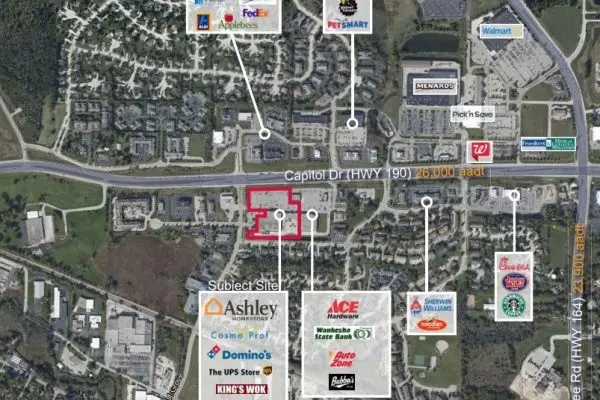

Why Suburban Retail Centers Are Booming: A Comprehensive Analysis
Why Suburban Retail Centers Are Booming: A Comprehensive Analysis
In recent years, the retail landscape has undergone significant transformations, leading to a remarkable resurgence of suburban retail centers. As urban areas become increasingly congested and expensive, many consumers are turning their attention to the suburbs, where retail opportunities are thriving. This article explores the factors contributing to the boom in suburban retail centers and what it means for investors and businesses alike.
The Shift in Consumer Behavior
One of the most significant drivers of the suburban retail boom is the shift in consumer behavior. With the rise of e-commerce, traditional brick-and-mortar stores faced unprecedented challenges. However, consumers are now seeking a more integrated shopping experience that combines convenience, accessibility, and community.
Convenience and Accessibility
Suburban retail centers offer greater convenience compared to their urban counterparts. With ample parking, easy access, and a variety of services, consumers appreciate the practicality of suburban shopping. Furthermore, businesses in suburban areas are adapting by offering omnichannel experiences that blend online and offline shopping, making it easier for consumers to engage with brands.
Community Focus
Another trend driving the success of suburban retail centers is the growing emphasis on community. Consumers are increasingly looking for shopping experiences that foster a sense of belonging and connection. Retail centers are evolving into social hubs where people can gather, dine, and enjoy entertainment. This community-centric approach encourages consumer loyalty and enhances the overall shopping experience.
Economic Factors Supporting Suburban Growth
The economic landscape has also played a crucial role in the growth of suburban retail centers. As more people relocate to suburban areas in search of affordable housing and a higher quality of life, the demand for retail services in these regions has surged.
Population Movement to the Suburbs
Recent trends indicate that many families and young professionals are moving to suburban areas, drawn by the promise of better schools, lower living costs, and more spacious homes. This population growth creates a larger customer base for suburban retail centers, driving sales and encouraging new businesses to open.
Commercial Real Estate Investment Opportunities
Investors are increasingly recognizing the potential of suburban retail centers. With lower property prices compared to urban locations and the demand for retail services on the rise, suburban areas present attractive opportunities for long-term investment. Strategic commercial real estate investments in these areas can yield significant returns, especially as the retail landscape continues to evolve.
Redefining Retail Spaces
The design and purpose of retail spaces are also changing to meet the needs of modern consumers. Suburban retail centers are adapting to incorporate mixed-use developments and innovative concepts that enhance the shopping experience.
Mixed-Use Developments
Many suburban areas are embracing mixed-use developments that combine residential, commercial, and recreational spaces. This approach not only maximizes land use but also creates vibrant communities where residents can live, work, and play. Retail centers that incorporate residential units and office spaces are more attractive to consumers, as they provide easy access to shopping and services.
Experiential Retail
In response to the growing competition from e-commerce, suburban retail centers are focusing on experiential retail. This concept emphasizes creating memorable shopping experiences that engage customers on a personal level. By incorporating entertainment options, interactive displays, and unique dining experiences, retailers can draw consumers away from their screens and into physical stores.
Challenges and Considerations
While the suburban retail boom presents numerous opportunities, it also comes with challenges that investors and businesses must navigate.
Competition from E-Commerce
Despite the resurgence of suburban retail, the threat of e-commerce remains a significant concern. Retailers must find ways to differentiate themselves and provide value that cannot be replicated online. This may involve enhancing customer service, offering exclusive products, or utilizing technology to improve the shopping experience.
Maintaining Relevance
As consumer preferences continue to evolve, suburban retail centers must remain agile and responsive to changing trends. This requires ongoing market research and a commitment to innovation. Retailers must be willing to adapt their offerings to meet the needs of their target audience, ensuring they stay relevant in a competitive market.
Conclusion
The booming suburban retail centers are a testament to the resilience and adaptability of the retail industry. As consumer behavior shifts and economic factors favor suburban growth, investors and businesses have a unique opportunity to thrive in these emerging markets. By embracing innovation, focusing on community, and redefining retail spaces, suburban retail centers can continue to flourish in the years to come.
FAQ
1. What factors are driving the growth of suburban retail centers?
The growth of suburban retail centers is driven by shifts in consumer behavior, population movement to the suburbs, and economic factors favoring suburban investment.
2. How do suburban retail centers differ from urban retail centers?
Suburban retail centers typically offer more space, convenient parking, and a community-focused shopping experience, whereas urban centers may face space constraints and higher costs.
3. What role does e-commerce play in suburban retail?
E-commerce presents competition for suburban retail but also encourages retailers to enhance the in-store experience to attract customers.
4. Why are mixed-use developments beneficial for retail centers?
Mixed-use developments create vibrant communities, attract more foot traffic, and provide consumers with a one-stop-shop experience for living, working, and shopping.
5. How can retailers adapt to changing consumer preferences?
Retailers can adapt by conducting market research, enhancing customer service, and creating unique shopping experiences that resonate with their target audience.
6. What is experiential retail, and why is it important?
Experiential retail focuses on creating memorable shopping experiences to engage customers, making it crucial for driving foot traffic and sales in the face of online competition.
7. Are suburban retail centers a good investment opportunity?
Yes, suburban retail centers can be attractive investment opportunities due to lower property prices and growing demand for retail services.
8. What challenges do suburban retail centers face?
Challenges include competition from e-commerce, the need to maintain relevance, and adapting to changing consumer preferences.