What Makes a Retail Center Successful in Chicago
What Makes a Retail Center Successful in Chicago
The landscape of commercial real estate in Chicago is vibrant and competitive, especially when it comes to retail centers. As urban areas continue to evolve, understanding the key components that contribute to the success of retail centers becomes essential for investors, developers, and property managers. In this article, we will delve into the various factors that make a retail center successful in Chicago, from location and tenant mix to customer experience and marketing strategies.
Understanding the Chicago Retail Market
Chicago, known for its diverse neighborhoods and dynamic economy, presents a unique opportunity for retail centers. The city’s rich cultural tapestry and substantial population create a distinct market that retailers cannot afford to overlook. To comprehend what makes a retail center successful in this bustling metropolis, we need to analyze several critical components.
Key Factors for Success in Chicago Retail Centers
1. Prime Location
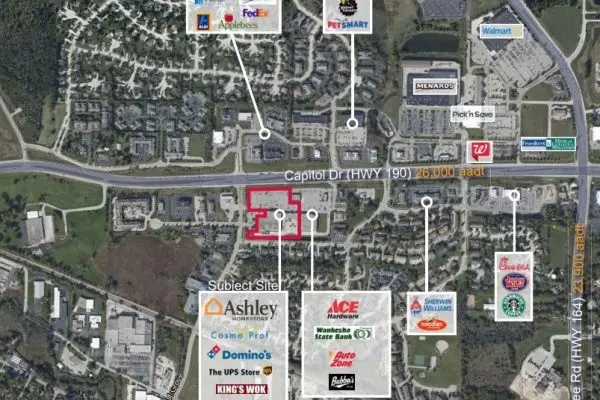
Location is often cited as the most critical factor in real estate success, and retail centers are no exception. In Chicago, a prime location means being in an area with high foot traffic, visibility, and accessibility. Retail centers situated near public transportation hubs, major highways, and densely populated neighborhoods tend to attract more visitors. Areas like the Magnificent Mile, Lincoln Park, and the Loop are prime examples where retail centers thrive due to their strategic positioning.
2. Diverse Tenant Mix
A successful retail center in Chicago features a diverse mix of tenants that cater to various demographics and consumer preferences. This includes a combination of national brands, local boutiques, dining options, and entertainment venues. By offering a variety of choices, retail centers can attract a broader audience and encourage longer visits. For instance, combining high-end retailers with casual dining and entertainment options can create a vibrant atmosphere, encouraging shoppers to spend more time and money.
3. Customer Experience
In today’s competitive retail landscape, providing an exceptional customer experience is paramount. Retail centers in Chicago that focus on enhancing the shopping experience through amenities, customer service, and engaging events tend to succeed. Features such as comfortable seating areas, family-friendly facilities, and interactive displays can significantly boost customer satisfaction. Additionally, hosting community events, seasonal activities, and pop-up shops can draw in crowds and create a sense of community.
4. Innovative Marketing Strategies
Effective marketing is crucial for attracting customers to retail centers. In Chicago, successful retail centers leverage both traditional and digital marketing strategies to reach their target audience. Utilizing social media platforms, email marketing, and local collaborations can enhance visibility and engagement. Furthermore, offering promotions, loyalty programs, and exclusive events can incentivize repeat visits and foster a loyal customer base.
5. Adaptability to Trends
The retail landscape is constantly changing, influenced by consumer preferences, technological advancements, and economic conditions. Successful retail centers in Chicago are those that can adapt to these trends. For example, the rise of e-commerce has prompted many retail centers to incorporate omnichannel strategies, allowing customers to shop online and pick up in-store. Additionally, staying abreast of trends in sustainability and eco-friendliness can attract environmentally conscious consumers.
6. Strong Property Management
Professional property and asset management play a vital role in the success of retail centers. Effective management ensures that the property is well-maintained, tenant relationships are nurtured, and financial performance is optimized. Retail centers that invest in professional property management can benefit from improved tenant retention, enhanced property value, and streamlined operations. This is especially critical in a competitive market like Chicago, where appealing to both tenants and customers is essential.
7. Community Engagement
Community engagement is a powerful tool for retail centers in Chicago. Successful centers build strong relationships with their local community through sponsorships, partnerships, and support for local initiatives. Engaging with the community fosters goodwill and encourages local residents to frequent the retail center. Moreover, collaborating with local artists and businesses for events can create a unique and inviting atmosphere that resonates with shoppers.
8. Technological Integration
Incorporating technology into retail centers can significantly enhance the shopping experience. Successful retail centers in Chicago utilize technology for convenience and engagement. This includes mobile apps for easy navigation, digital directories, and contactless payment options. Additionally, leveraging data analytics can provide insights into customer behavior, allowing retailers to tailor their offerings and marketing strategies effectively.
Conclusion
The success of a retail center in Chicago hinges on several interconnected factors, including prime location, diverse tenant mix, customer experience, innovative marketing strategies, adaptability to trends, strong property management, community engagement, and technological integration. By focusing on these elements, investors and developers can create retail environments that not only attract customers but also foster loyalty and community connection. As the retail landscape continues to evolve, embracing these key components will be crucial for staying competitive in Chicago’s thriving market.
Frequently Asked Questions (FAQ)
1. What is the most important factor for a retail center’s success in Chicago?
While several factors contribute to success, location is often considered the most critical element for attracting customers.
2. How can retail centers enhance customer experience?
Retail centers can enhance customer experience by providing amenities, hosting events, and ensuring excellent customer service.
3. Why is a diverse tenant mix essential?
A diverse tenant mix attracts a broader audience and encourages longer visits, ultimately boosting sales.
4. What marketing strategies work best for retail centers?
Effective strategies include social media marketing, email campaigns, local collaborations, and promotional events.
5. How can retail centers adapt to changing trends?
Retail centers can adapt by incorporating omnichannel strategies, focusing on sustainability, and staying informed about consumer preferences.
6. What role does property management play in retail center success?
Strong property management ensures efficient operations, tenant satisfaction, and optimized financial performance.
7. How can community engagement benefit retail centers?
Community engagement fosters goodwill, encourages local patronage, and creates a sense of belonging among shoppers.
8. What technologies should retail centers implement?
Retail centers should consider mobile apps, digital directories, contactless payments, and data analytics for improved operations and customer engagement.
Related articles