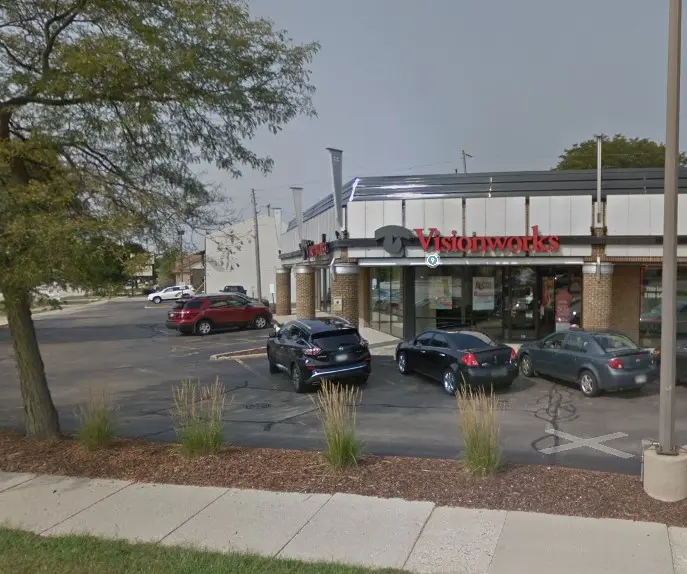
Exploring Retail Plaza Development Opportunities in the Midwest
Exploring Retail Plaza Development Opportunities in the Midwest
The Midwest, often referred to as the heartland of America, boasts a vibrant economic landscape ripe for retail plaza development. With its diverse population, thriving communities, and strategic location, the Midwest presents numerous opportunities for investors and developers looking to capitalize on the growing demand for retail spaces. In this article, we will explore the various aspects of retail plaza development in the Midwest, including market trends, key considerations, and the benefits of investing in this region.
The Retail Landscape in the Midwest
The retail environment in the Midwest has evolved significantly over the past few years. As e-commerce continues to reshape consumer behavior, brick-and-mortar stores are adapting by enhancing the shopping experience. The region is seeing a resurgence in community-centered retail plazas that focus on providing unique experiences rather than just products.
Demographics and Consumer Behavior
The Midwest is home to a diverse population with varying preferences and shopping habits. Understanding these demographics is crucial for successful retail plaza development. The region includes urban centers, suburban communities, and rural areas, each with distinct consumer needs. For example, urban areas may prioritize convenience and accessibility, while suburban regions may focus on family-oriented shopping experiences.
Current Market Trends
The retail market in the Midwest is currently influenced by several key trends:
- Mixed-Use Developments: Retail plazas that integrate residential, office, and entertainment spaces are gaining popularity. These developments create vibrant communities where people can live, work, and shop in close proximity.
- Sustainability: Eco-friendly practices are increasingly important to consumers. Retail plazas that incorporate sustainable design and operations can attract environmentally conscious shoppers.
- Experience-Driven Retail: As consumers seek more than just products, retail plazas focusing on experiential offerings, such as restaurants, entertainment venues, and community events, are thriving.
Key Considerations for Retail Plaza Development
When embarking on a retail plaza development project in the Midwest, several factors should be taken into account:
Location Selection
Choosing the right location is paramount to the success of any retail plaza. Factors to consider include:
- Accessibility: Ensure the site is easily accessible by major roads and public transportation.
- Visibility: High visibility from busy streets can attract more foot traffic.
- Proximity to Target Demographics: Analyze the demographics of the surrounding area to ensure alignment with the retail offerings.
Market Research
Conduct thorough market research to understand the competitive landscape. Identify existing retail spaces, their performance, and gaps in the market that your plaza could fill. Additionally, engage with local communities to gauge their preferences and needs.
Design and Layout
The design and layout of a retail plaza play a crucial role in attracting tenants and shoppers. Consider the following:
- Flexibility: Create adaptable spaces that can accommodate various types of retailers, from pop-up shops to established brands.
- Common Areas: Incorporate outdoor spaces, seating areas, and community gathering spots to encourage social interaction.
- Aesthetic Appeal: A visually appealing design can enhance the shopping experience and draw in customers.
Benefits of Investing in Retail Plaza Development
Investing in retail plaza development in the Midwest offers several advantages:
Strong Economic Growth
The Midwest has shown resilience in economic growth, with many cities experiencing job growth and increased consumer spending. This trend creates a favorable environment for retail development.
Diverse Investment Opportunities
From small neighborhood plazas to large-scale shopping centers, there are various investment opportunities available. This diversity allows investors to choose projects that align with their goals and risk tolerance.
Community Impact
Retail plazas can positively impact local communities by providing jobs, boosting the local economy, and enhancing the overall quality of life. Developing a retail plaza can foster a sense of community and improve access to essential goods and services.
Case Studies of Successful Retail Plaza Developments
Examining successful retail plaza developments can provide valuable insights for prospective investors. Here are a few notable examples:
1. The Promenade at Chenal Valley, Arkansas
This mixed-use development combines retail, dining, and entertainment options in a beautifully designed plaza. Its emphasis on community and experience has led to its continued success.
2. The Shoppes at East Chase, Alabama
This retail plaza features a mix of national and local retailers, along with dining options that cater to diverse tastes. Its strategic location and focus on community engagement have made it a popular shopping destination.
Challenges in Retail Plaza Development
While there are numerous opportunities, potential investors should also be aware of challenges:
Economic Uncertainty
Economic fluctuations can impact consumer spending and retail performance. It is essential to have a robust financial plan and contingency strategies in place.
Regulatory Hurdles
Navigating local zoning laws and regulations can be complex. Engaging with local authorities early in the development process can help mitigate potential roadblocks.
Conclusion
Retail plaza development in the Midwest presents a wealth of opportunities for investors willing to navigate the evolving retail landscape. By understanding market trends, conducting thorough research, and prioritizing community needs, developers can create successful retail spaces that not only thrive economically but also enhance the quality of life for residents. As the Midwest continues to grow and adapt, the potential for innovative retail developments remains abundant.
FAQs
1. What are the key factors to consider when developing a retail plaza in the Midwest?
Key factors include location selection, market research, design and layout, and understanding the local demographics.
2. How can I determine the right location for my retail plaza?
Evaluate accessibility, visibility, and proximity to target demographics to find an optimal location.
3. What types of retailers are thriving in the Midwest?
Experience-driven retailers, mixed-use developments, and eco-friendly businesses are currently thriving.
4. What are the benefits of mixed-use developments?
Mixed-use developments encourage community interaction, attract diverse tenants, and can lead to higher foot traffic.
5. How does consumer behavior impact retail plaza development?
Understanding consumer preferences and shopping habits helps developers tailor their offerings to meet local demand.
6. What challenges might I face in retail plaza development?
Economic uncertainty, regulatory hurdles, and market competition are common challenges in retail plaza development.
7. How can I ensure the success of my retail plaza?
Conduct thorough market research, engage with the community, and create a flexible design that accommodates various retailers.
8. What role does sustainability play in retail plaza development?
Sustainability is increasingly important to consumers and can enhance the appeal and marketability of a retail plaza.
Related articles
- Why Capitol Drive Is a Key Commercial Corridor for Pewaukee Businesses
- The Complete Guide to Outdoor Recreation in Lake Country, Wisconsin
- How Pewaukee’s Growing Population Is Driving New Business and Development
- Why Waukesha County Is One of the Best Places to Live and Work in Wisconsin
- The Complete Guide to Living in Pewaukee: Schools, Recreation, and Community
- Discover How Lake Country’s Natural Beauty Attracts Residents and Businesses