
Why Retail Centers Are Ideal for Long-Term Investment
Why Retail Centers Are Ideal for Long-Term Investment
Investing in retail centers has gained significant traction among real estate investors looking for lucrative opportunities. With a blend of strategic commercial real estate investments and professional property management, retail centers present an attractive option for long-term investment. This article explores the various reasons why retail centers are ideal for long-term investment, while also addressing key considerations and strategies for success in this sector.
Understanding Retail Centers
Retail centers, also known as shopping centers, encompass a variety of commercial properties that provide space for retail businesses. These centers can range from small neighborhood shops to large, multi-anchor malls. The retail sector has unique dynamics that differentiate it from other types of commercial real estate, making it essential for investors to understand its structure and functioning.
Types of Retail Centers
Retail centers can be categorized into several types:
- Neighborhood Centers: These centers typically feature a grocery store and a few smaller retail outlets, catering primarily to local residents.
- Community Centers: Larger than neighborhood centers, community centers include multiple retail stores, often with a mix of discount and specialty shops.
- Regional Malls: These are larger shopping centers that often include major department stores, a variety of retail shops, and entertainment options.
- Power Centers: Characterized by large anchor tenants such as big-box retailers, power centers focus on discount and value retail.
- Mixed-Use Developments: These combine retail with residential and office space, creating a vibrant community atmosphere.
Reasons to Invest in Retail Centers
1. Stable Cash Flow
One of the most appealing aspects of investing in retail centers is the potential for stable cash flow. Retail tenants typically sign longer lease agreements, often ranging from three to ten years. These long-term leases provide predictable income streams, which can be particularly beneficial for investors seeking consistent returns.
2. Demand for Retail Space
Despite the rise of e-commerce, physical retail remains a cornerstone of consumer shopping behavior. Retail centers provide essential services and products that consumers still prefer to purchase in-store. The demand for retail space remains strong, especially in areas with high foot traffic and population density.
3. Value Appreciation
Retail centers have the potential for significant value appreciation over time. As neighborhoods develop and grow, retail centers can experience an increase in property value. Investors can capitalize on this appreciation by strategically acquiring properties in emerging markets or revitalizing existing centers.
4. Diversification of Investment Portfolio
Retail centers offer a unique opportunity for diversification within an investment portfolio. By adding retail properties to a portfolio that may primarily consist of residential or industrial properties, investors can spread their risk and enhance overall returns.
5. Economic Resilience
Retail centers often exhibit resilience during economic downturns. Essential retailers, such as grocery stores and pharmacies, tend to perform well even in tough economic conditions. This resilience helps stabilize returns and reduce the overall risk of investment.
6. Tenant Mix and Synergy
The tenant mix within a retail center plays a crucial role in its success. A well-planned mix of tenants can create synergy, attracting more customers and enhancing the shopping experience. Investors can strategically curate tenant offerings to ensure diverse products and services, which can lead to increased foot traffic and sales.
7. Professional Property Management
With a focus on professional property and asset management, retail center investors can optimize their investments. Experienced property managers can help maintain the property, improve tenant relationships, and implement effective marketing strategies to attract customers and tenants alike.
8. Innovation Hubs and Business Centers
As retail evolves, many retail centers are transforming into innovation hubs and business centers. By integrating co-working spaces, technology centers, and experiential retail, investors can tap into emerging trends and create vibrant environments that support both retail and community needs.
Key Considerations When Investing in Retail Centers
1. Location
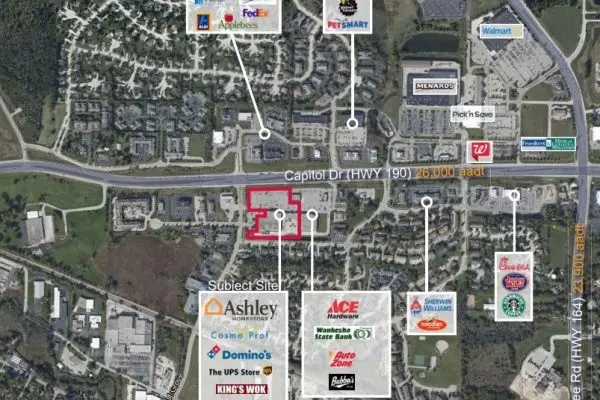
The location of a retail center is paramount to its success. Investors should prioritize properties situated in areas with high visibility, accessibility, and a robust customer base. Proximity to major highways, public transportation, and residential neighborhoods can significantly impact foot traffic and tenant success.
2. Market Research
Conducting thorough market research is essential before investing in retail centers. Understanding local demographics, economic trends, and competitive landscapes can help investors make informed decisions and identify high-potential opportunities.
3. Lease Structures
Understanding lease structures is crucial for a successful investment. Different lease types, such as triple net leases or percentage leases, can impact cash flow and tenant responsibilities. Investors should evaluate lease terms to ensure they align with their investment goals.
4. Tenant Quality
The quality of tenants can significantly influence the performance of retail centers. Investors should assess tenant financial stability, reputation, and business model to gauge the likelihood of long-term success and lease renewals.
5. Property Management
Effective property management is vital for maintaining and enhancing the value of retail centers. Investors should consider partnering with experienced property management firms to ensure operational efficiency and tenant satisfaction.
6. Regulatory Environment
Understanding the regulatory environment and zoning laws in the area is critical for retail center investments. Investors should be aware of any restrictions or requirements that may impact property usage and future development potential.
Conclusion
Retail centers offer a compelling investment opportunity for those seeking long-term growth and stability in their portfolios. With stable cash flow, potential for value appreciation, and resilience against economic fluctuations, retail centers can be an essential component of a diversified investment strategy. However, successful investment in retail centers requires careful consideration of location, market research, tenant quality, and effective property management. By leveraging professional expertise and strategic planning, investors can optimize their retail center investments and achieve sustained success in the commercial real estate landscape.
FAQ
1. What are retail centers?
Retail centers are commercial properties that provide space for retail businesses, including neighborhood shops, community centers, and regional malls.
2. Why should I invest in retail centers?
Retail centers offer stable cash flow, demand for retail space, potential for value appreciation, and diversification opportunities within an investment portfolio.
3. What types of retail centers exist?
Types of retail centers include neighborhood centers, community centers, regional malls, power centers, and mixed-use developments.
4. How do retail centers perform in economic downturns?
Retail centers often exhibit resilience during economic downturns, especially those with essential retailers that continue to perform well.
5. What is tenant mix, and why is it important?
The tenant mix refers to the variety of businesses within a retail center. A well-planned mix can create synergy, attract more customers, and enhance the shopping experience.
6. How can property management impact retail center investments?
Effective property management can optimize operations, improve tenant relationships, and enhance marketing strategies, ultimately increasing the value of retail center investments.
7. What should I consider when investing in retail centers?
Key considerations include location, market research, lease structures, tenant quality, property management, and the regulatory environment.
8. Can retail centers adapt to changing consumer behaviors?
Yes, many retail centers are evolving into innovation hubs and business centers, integrating co-working spaces and experiential retail to meet changing consumer preferences.