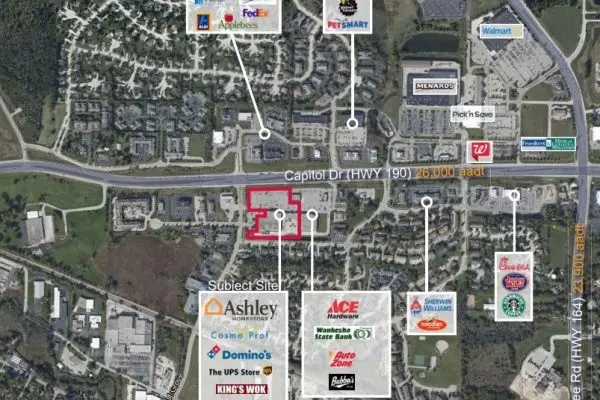

Why Investors Are Buying Retail Plazas Again: Trends, Insights, and Strategies
Why Investors Are Buying Retail Plazas Again: Trends, Insights, and Strategies
As the commercial real estate landscape continues to evolve, a notable trend has emerged: investors are once again showing a keen interest in retail plazas. After facing significant challenges during the pandemic, the retail sector is experiencing a resurgence, prompting both seasoned and new investors to redirect their focus towards retail plazas. In this article, we will delve into the reasons behind this renewed interest, explore the current market dynamics, and provide insights into effective investment strategies for retail plazas.
The Resilience of Retail Plazas
Retail plazas have long been a staple of commercial real estate investment. However, the COVID-19 pandemic brought unprecedented challenges to the retail sector, leading many investors to reconsider their strategies. As restrictions eased and consumer behavior shifted, retail plazas have shown remarkable resilience, adapting to new market demands and emerging trends.
1. Adaptability to Changing Consumer Preferences
One of the primary reasons investors are gravitating towards retail plazas again is their inherent adaptability. Retail plazas have evolved to meet changing consumer preferences, with many embracing a hybrid model that combines traditional shopping with experiential offerings. This transformation has made retail plazas more appealing to investors who recognize the potential for sustained profitability.
2. The Rise of E-Commerce Integration
While e-commerce has disrupted traditional retail, it has also created opportunities for retail plazas. Many retail centers are integrating e-commerce strategies, such as click-and-collect services and last-mile delivery hubs. This synergy between brick-and-mortar and online retail is driving foot traffic to retail plazas, making them attractive investment opportunities.
3. Experiential Retail Trends
Investors are increasingly drawn to retail plazas that offer experiential retail options. Consumers are seeking more than just products; they crave experiences. Retail plazas that feature entertainment venues, dining options, and unique shopping experiences are witnessing increased foot traffic and sales, leading to higher rental incomes for investors.
Market Dynamics Favoring Retail Plazas
The favorable market dynamics are also contributing to the resurgence of retail plazas. Several factors are driving this trend, from demographic shifts to urbanization.
1. Demographic Shifts
Millennials and Gen Z make up a significant portion of the consumer market, and their preferences heavily influence retail trends. This demographic is more inclined towards experiences and social interactions, which retail plazas can provide. Investors are recognizing the potential of retail plazas to cater to these demographics, enhancing their appeal.
2. Urbanization and Community Development
As urbanization continues to rise, retail plazas located in densely populated areas are becoming increasingly valuable. These centers serve as community hubs, providing essential services and shopping experiences to local residents. Investors are capitalizing on this trend by acquiring retail plazas in urban areas, where demand is consistently high.
3. Mixed-Use Developments
Many investors are now focusing on mixed-use developments that incorporate retail plazas alongside residential and office spaces. This approach not only diversifies revenue streams but also fosters a sense of community. Retail plazas within mixed-use developments enjoy higher foot traffic, making them more attractive to investors.
Investment Strategies for Retail Plazas
For investors looking to capitalize on the resurgence of retail plazas, implementing effective strategies is crucial. Here are some key approaches to consider:
1. Conduct Thorough Market Research
Understanding the local market dynamics is essential. Investors should conduct comprehensive research to identify trends, consumer preferences, and potential growth areas. This information can help investors make informed decisions about which retail plazas to acquire.
2. Focus on Location
The location of a retail plaza significantly impacts its success. Investors should prioritize plazas situated in high-traffic areas with good visibility and accessibility. Proximity to residential neighborhoods, schools, and public transportation can enhance foot traffic and overall profitability.
3. Embrace Technology
Integrating technology into retail plazas can enhance the shopping experience and attract consumers. From smart parking solutions to digital signage and mobile apps, leveraging technology can improve operational efficiency and customer engagement.
4. Diversify Tenant Mix
A diverse tenant mix can mitigate risks and enhance revenue stability. Investors should seek a balance of national retailers, local businesses, and service providers to create a vibrant shopping environment. Additionally, incorporating experiential tenants can attract a wider audience.
5. Optimize Property Management
Professional property and asset management are crucial for maximizing the value of retail plazas. Investors should consider partnering with experienced property management firms to ensure efficient operations, tenant satisfaction, and property maintenance.
Conclusion
The resurgence of interest in retail plazas is driven by a combination of adaptability, changing consumer preferences, and favorable market dynamics. For investors looking to capitalize on this trend, understanding the nuances of the retail sector and implementing effective investment strategies is vital. As retail plazas continue to evolve and embrace new trends, they present exciting opportunities for long-term investment and growth.
FAQs
1. Why are retail plazas becoming popular among investors again?
Retail plazas are gaining popularity due to their adaptability to changing consumer preferences, the rise of e-commerce integration, and the trend towards experiential retail.
2. How can investors maximize the value of retail plazas?
Investors can maximize value by focusing on location, diversifying the tenant mix, embracing technology, and optimizing property management.
3. What role does location play in retail plaza investment?
Location is crucial as it affects foot traffic, visibility, and accessibility, which are all vital for a retail plaza’s success.
4. How are demographic shifts impacting retail plazas?
Millennials and Gen Z are driving demand for experiences over products, prompting retail plazas to adapt and cater to these preferences.
5. What are mixed-use developments and why are they important?
Mixed-use developments combine retail, residential, and office spaces, creating community hubs that attract diverse audiences and enhance foot traffic.
6. How can technology enhance the retail plaza experience?
Technology can improve operational efficiency and customer engagement through smart solutions, digital signage, and mobile apps.
7. What types of tenants should investors look for in retail plazas?
Investors should seek a diverse tenant mix, including national retailers, local businesses, and experiential tenants to attract a wider audience.
8. What challenges do retail plazas face in the current market?
Retail plazas must navigate challenges such as competition from e-commerce, changing consumer behavior, and economic fluctuations, but their adaptability can mitigate these risks.
Related articles
- Why Capitol Drive Is a Key Commercial Corridor for Pewaukee Businesses
- The Complete Guide to Outdoor Recreation in Lake Country, Wisconsin
- How Pewaukee’s Growing Population Is Driving New Business and Development
- Why Waukesha County Is One of the Best Places to Live and Work in Wisconsin
- The Complete Guide to Living in Pewaukee: Schools, Recreation, and Community
- Discover How Lake Country’s Natural Beauty Attracts Residents and Businesses