
The Most Profitable Commercial Property Types: A Comprehensive Guide
The Most Profitable Commercial Property Types: A Comprehensive Guide
When it comes to real estate investing, understanding the various types of commercial properties is key to making informed decisions. Commercial properties can yield significant returns on investment, but not all types are created equal. In this article, we will explore the most profitable commercial property types, their benefits, risks, and how MarQi Co can assist you in navigating this lucrative market.
Understanding Commercial Real Estate
Commercial real estate (CRE) encompasses properties that are used solely for business purposes. These properties are typically leased out to tenants who operate businesses within them. The income generated from commercial properties usually comes from rental payments. Unlike residential properties, commercial investments often have longer lease terms, which can provide more stability and predictability in cash flow.
Types of Commercial Properties
1. Office Buildings
Office buildings are a staple of the commercial real estate market. They can range from single-tenant buildings to large multi-tenant skyscrapers. The profitability of office buildings depends on location, size, and the quality of amenities offered. Many investors find office spaces in urban areas to be highly desirable due to the demand for business operations in metropolitan regions.
2. Retail Centers
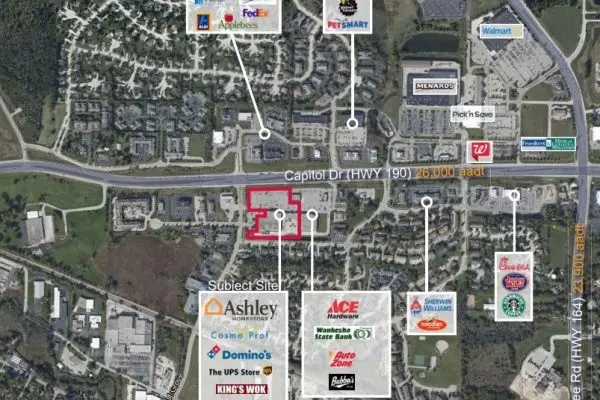
Retail centers, including shopping malls and standalone stores, are also profitable commercial properties. These spaces benefit from foot traffic and are often anchored by well-known retailers, which can attract more visitors. The success of retail centers is closely tied to consumer spending habits, making them sensitive to economic fluctuations.
3. Industrial Properties
Industrial properties include warehouses, manufacturing facilities, and distribution centers. With the rise of e-commerce, the demand for industrial properties has surged, making them one of the most lucrative sectors in commercial real estate. Investors can benefit from long-term leases and less tenant turnover in this category.
4. Multifamily Properties
While often considered residential, multifamily properties like apartment buildings are classified as commercial real estate when they contain five or more units. These properties are highly sought after due to their steady cash flow and the increasing demand for rental housing. Investors can capitalize on the growing population and the trend toward urban living.
5. Mixed-Use Developments
Mixed-use developments combine residential, commercial, and retail spaces in one location. These properties are becoming increasingly popular as they create vibrant communities that cater to diverse needs. The potential for high returns lies in the ability to attract a wide range of tenants and customers.
6. Hospitality Properties
Hotels and resorts fall under the hospitality category of commercial real estate. These properties can be particularly profitable in tourist-heavy areas or cities with significant business travel. Investors should consider factors such as location, brand reputation, and occupancy rates when evaluating hospitality investments.
7. Special Purpose Properties
Special purpose properties include facilities like schools, churches, and medical buildings. These properties can offer unique investment opportunities due to their specialized nature. While they may not provide as consistent cash flow as other types of commercial properties, they can be highly profitable if located in desirable areas.
Factors Influencing Profitability
1. Location
The location of a commercial property is paramount to its success. Proximity to major highways, public transportation, and other businesses can significantly impact demand and rental rates. Urban areas often see higher foot traffic, making them more attractive for retail and office spaces.
2. Market Trends
Understanding market trends is essential for identifying profitable commercial property types. Investors should stay informed about economic indicators, demographic shifts, and consumer behavior changes that could affect demand for different types of properties.
3. Property Management
Effective property management can enhance the profitability of commercial real estate investments. Professional property management services, like those offered by MarQi Co, can help maximize rental income, reduce vacancy rates, and maintain the property’s value over time.
4. Financing Options
Access to favorable financing options can influence the profitability of a commercial property. Investors should explore various financing avenues, such as traditional mortgages, commercial loans, or partnerships, to determine the best fit for their investment strategy.
Conclusion
Investing in commercial real estate can be a rewarding venture if approached strategically. By understanding the most profitable commercial property types and the factors that influence their success, investors can make informed decisions that align with their long-term financial goals. At MarQi Co, we specialize in strategic commercial real estate investments and comprehensive property management services to help you optimize your investment portfolio.
FAQ
1. What is the most profitable type of commercial property?
The most profitable type of commercial property can vary by market, but historically, industrial properties and multifamily residential units have shown consistent returns due to high demand.
2. How do I choose the right commercial property to invest in?
Consider factors such as location, market trends, property type, and your investment strategy. Conduct thorough research and analysis before making a decision.
3. What are the risks associated with commercial real estate investing?
Risks can include economic downturns, changes in consumer behavior, and property management challenges. Proper due diligence and expert advice can help mitigate these risks.
4. How can I finance a commercial property purchase?
Investors can explore various financing options such as traditional mortgages, commercial loans, or joint ventures. Consulting with a financial advisor can help identify the best option.
5. What role does property management play in commercial real estate?
Effective property management is crucial for maximizing rental income, maintaining property value, and ensuring tenant satisfaction, ultimately contributing to overall profitability.
6. Are mixed-use developments a good investment?
Yes, mixed-use developments can be a good investment as they attract diverse tenants and customers, which can lead to higher occupancy rates and rental income.
7. How do market trends affect commercial property investments?
Market trends influence demand, rental rates, and occupancy levels. Staying informed about economic indicators and consumer behavior is essential for successful investing.
8. What is the typical lease length for commercial properties?
Commercial leases typically range from three to ten years, depending on the property type and tenant needs, with longer leases offering more stability for investors.
9. Can I invest in commercial real estate without prior experience?
While prior experience can be beneficial, working with a knowledgeable partner or professional, like MarQi Co, can help novice investors navigate the complexities of commercial real estate.
10. What are the tax implications of investing in commercial real estate?
Investors should consult with a tax professional to understand the tax implications of commercial real estate investments, including depreciation benefits and potential capital gains taxes.