What Makes a Retail Plaza Successful? Key Factors for Success in Commercial Real Estate
What Makes a Retail Plaza Successful? Key Factors for Success in Commercial Real Estate
In today’s competitive market, the success of a retail plaza hinges on a multitude of factors that range from strategic location to effective management. Retail plazas are not just shopping centers; they are hubs of community interaction and commerce. Understanding the elements that contribute to the success of a retail plaza can help investors, developers, and property managers make informed decisions that maximize profitability and enhance tenant satisfaction. In this article, we will explore the key factors that make a retail plaza successful.
1. Strategic Location
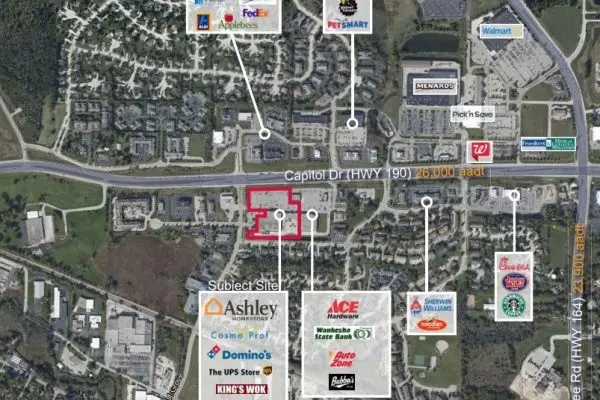
The location of a retail plaza is arguably the most critical factor in determining its success. A strategically located plaza attracts foot traffic and is easily accessible to customers. The following aspects contribute to an ideal location:
1.1 Visibility
High visibility from major roads and intersections can significantly increase customer visits. Retail plazas situated in high-traffic areas benefit from spontaneous shopping, as potential customers can easily notice the plaza while commuting.
1.2 Accessibility
Accessibility includes the adequacy of parking, public transport options, and pedestrian pathways. A retail plaza should provide ample parking space and be located near public transport links to facilitate easy access for customers.
1.3 Demographics
Understanding the demographics of the surrounding area is essential. A successful retail plaza should cater to the needs and preferences of the local population. Conducting market research can help identify the target audience and tailor the offerings accordingly.
2. Diverse Tenant Mix
A well-curated tenant mix is crucial for attracting a broad customer base. A successful retail plaza should feature a variety of tenants, including:
2.1 Anchor Tenants
Anchor tenants, such as large department stores or supermarkets, attract customers and drive foot traffic to the plaza. The presence of well-known anchor tenants can enhance the visibility and credibility of the entire retail plaza.
2.2 Specialty Stores
In addition to anchor tenants, a diverse range of specialty stores catering to niche markets can enhance the shopping experience. Including local boutiques, artisanal shops, and service providers can create a unique shopping environment that differentiates the plaza from competitors.
3. Effective Property Management
Professional property management is essential for maintaining the success of a retail plaza. Effective management includes:
3.1 Tenant Relations
Building strong relationships with tenants fosters a positive environment. Property managers should maintain open communication channels and be responsive to tenant needs and concerns.
3.2 Maintenance and Upkeep
Regular maintenance of the plaza’s facilities, landscaping, and common areas contributes to an inviting atmosphere. A clean and well-maintained environment enhances customer satisfaction and encourages repeat visits.
3.3 Marketing Strategies
Implementing effective marketing strategies can significantly boost a retail plaza’s visibility and customer traffic. Regular events, promotions, and community engagement initiatives can draw in customers and keep the plaza vibrant.
4. Community Engagement
Successful retail plazas often serve as community hubs. Engaging with the local community can foster loyalty and encourage regular patronage. Some strategies for community engagement include:
4.1 Hosting Events
Organizing events such as farmers’ markets, festivals, and seasonal celebrations can attract visitors and create a sense of community. These events can also provide tenants with opportunities to showcase their products and services.
4.2 Collaborating with Local Organizations
Partnering with local organizations, schools, and charities can strengthen community ties. Supporting local causes can enhance the plaza’s reputation and encourage local residents to shop at the plaza.
5. Adaptability and Innovation
The retail landscape is constantly evolving, and successful retail plazas must adapt to changing consumer preferences and market trends. This can involve:
5.1 Embracing Technology
Incorporating technology, such as mobile payment options and e-commerce integration, can enhance the customer experience. Retail plazas should consider creating a seamless omnichannel shopping experience that caters to tech-savvy consumers.
5.2 Flexible Space Design
Flexible space design allows for quick adaptation to changing tenant needs or market demands. Retail plazas should consider modular designs that can accommodate different types of tenants or seasonal pop-up shops.
6. Long-Term Investment Strategy
Investing in a retail plaza requires a long-term perspective. A successful long-term investment strategy includes:
6.1 Continuous Market Analysis
Regularly analyzing market trends and consumer behavior can help property managers make informed decisions regarding tenant selection and plaza improvements.
6.2 Portfolio Management
Effective portfolio management ensures that the retail plaza remains competitive and profitable over time. This includes monitoring property performance and optimizing property value through strategic upgrades and tenant mix adjustments.
Conclusion
A successful retail plaza is a harmonious blend of strategic location, diverse tenant mix, effective property management, community engagement, adaptability, and a long-term investment strategy. By focusing on these key factors, investors and property managers can create thriving retail environments that not only benefit themselves but also serve the needs of the community. Whether you are an investor looking to acquire a retail plaza or a property manager aiming to optimize your existing portfolio, understanding what makes a retail plaza successful can help pave the way for long-term profitability and community satisfaction.
FAQ
1. What are the key factors that contribute to the success of a retail plaza?
Key factors include strategic location, diverse tenant mix, effective property management, community engagement, adaptability, and a long-term investment strategy.
2. Why is location important for a retail plaza?
A strategic location increases visibility, accessibility, and foot traffic, making it easier for customers to visit and shop.
3. How can property management improve tenant relations?
Effective communication, responsiveness to tenant needs, and providing support can foster strong relationships between property managers and tenants.
4. What role do anchor tenants play in a retail plaza?
Anchor tenants attract customers and drive traffic to the plaza, enhancing the visibility and credibility of the retail environment.
5. How can retail plazas engage with the local community?
Hosting events, collaborating with local organizations, and supporting community causes can strengthen ties with the local community.
6. What are some marketing strategies for retail plazas?
Regular promotions, events, and community engagement initiatives can boost visibility and attract more customers to the plaza.
7. Why is adaptability important for retail plazas?
Adapting to changing consumer preferences and market trends ensures that the retail plaza remains relevant and competitive.
8. How can technology improve the retail experience?
Incorporating technology, such as mobile payments and e-commerce integration, can enhance convenience and create a seamless shopping experience for customers.
9. What is the significance of market analysis for retail plazas?
Continuous market analysis helps property managers make informed decisions regarding tenant selection, plaza improvements, and overall strategy.
10. What is portfolio management in the context of retail plazas?
Portfolio management involves monitoring property performance, optimizing property value, and making strategic decisions to ensure long-term profitability.
Related articles